
The Best Bare Root Roses to Order Now (Prices Compared)
January is peak bare-root season. We compared prices across the UK nurseries we track for the most popular roses.
January is, without argument, the best time to buy roses. Not because the shops are quiet — quite the opposite. It's bare-root season, and if you've been meaning to add a climbing rose to that south-facing fence or finally fill the gap in the front border, this is the moment to act.
Bare-root roses are dug from the field while dormant, trimmed back, and dispatched without soil around the roots. They look a bit sad in the post — just a bundle of sticks — but they're actually in excellent condition for planting, and they establish faster than pot-grown plants because they're not fighting off transplant shock from a container. The catch is that the window is short. Most nurseries stop selling bare-root stock once the plants start breaking dormancy, typically around late February or early March.
Why Prices Vary So Much
When we compared prices across the UK nurseries we track for the same rose varieties, we found a spread of £12 to £28 for a single bare-root plant. That's a big range, and it's not always explained by quality. A few things drive the differences:
Branding premium. David Austin Roses, the Shropshire nursery that's become synonymous with English shrub roses, charges more than many independents for the same size plant — and many gardeners pay it willingly because the stock is reliably good and named varieties are guaranteed to be true. Whether that premium is worth it to you is a personal decision.
Plant grade. A Grade 1 bare-root rose has three or more strong stems from the base. Grade 2 has two. Most reputable nurseries sell Grade 1 as standard, but not all are explicit about it.
Postage. This is where comparison shopping really matters. Some nurseries charge £5.99 for delivery; others bundle it into slightly higher plant prices. When you're buying three or four roses, the difference adds up fast.
David Austin Varieties Worth Ordering Now
If you're drawn to the full, cupped blooms and strong fragrance that the English Rose style is known for, a few varieties stand out as particularly reliable in UK gardens.
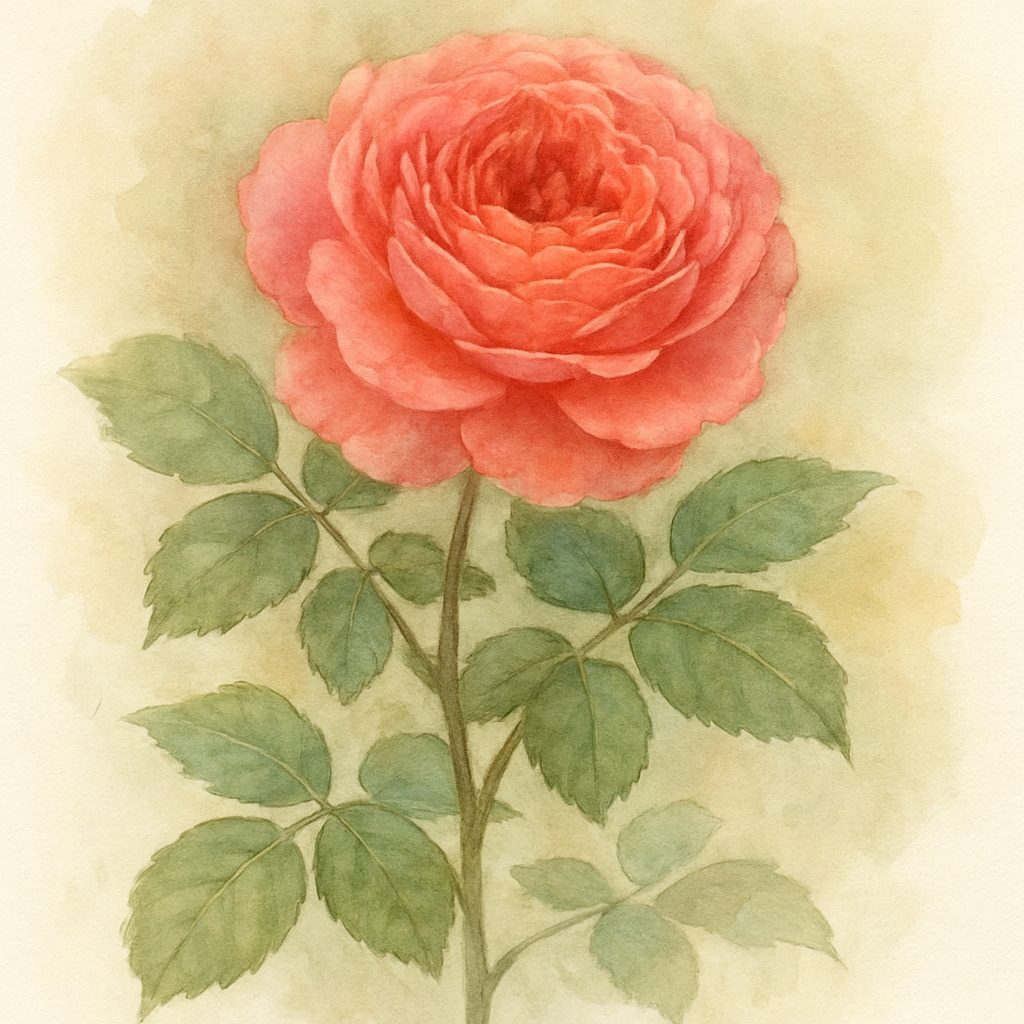
Boscobel has become one of the most consistently recommended garden roses of the last decade. The flowers are a warm salmon-orange, loosely rosette-shaped, and the scent is genuinely exceptional — an unusual myrrh fragrance with anise notes underneath. It grows to around 1.2m and is notably disease-resistant. We've seen it listed at anywhere from £17 to £26 bare-root depending on the supplier.
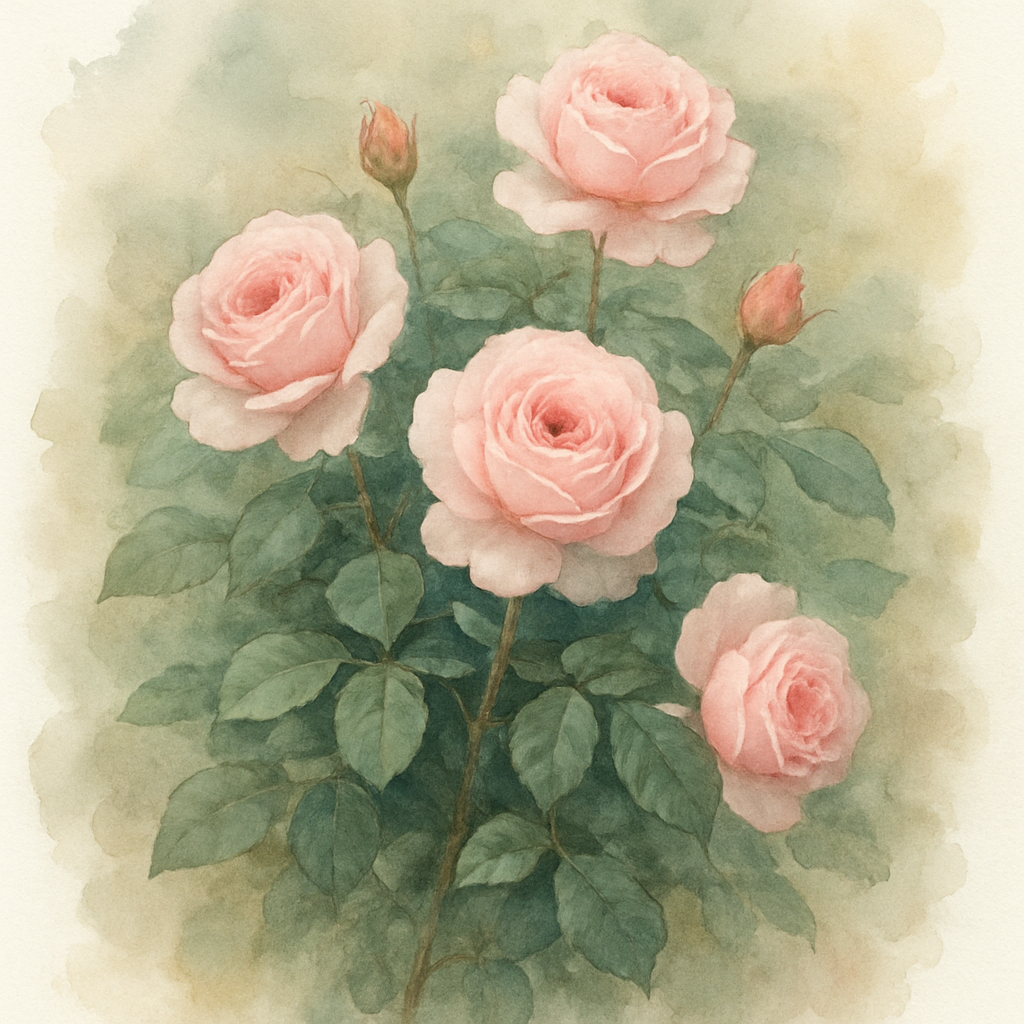
Olivia Rose Austin is softer in colour — a pale rose-pink — and slightly more compact, which makes it useful for smaller gardens or containers. It flowers prolifically and repeats well through summer. It's one of the more widely stocked David Austin varieties, which means competition between sellers keeps prices slightly more honest, typically £15 to £24.
Climbing Roses
For climbers, the choice is between once-flowering old roses that put on a spectacular show in June and repeat-flowering modern climbers that keep going until autumn. Most gardeners, once they've grown both, end up wanting one of each.
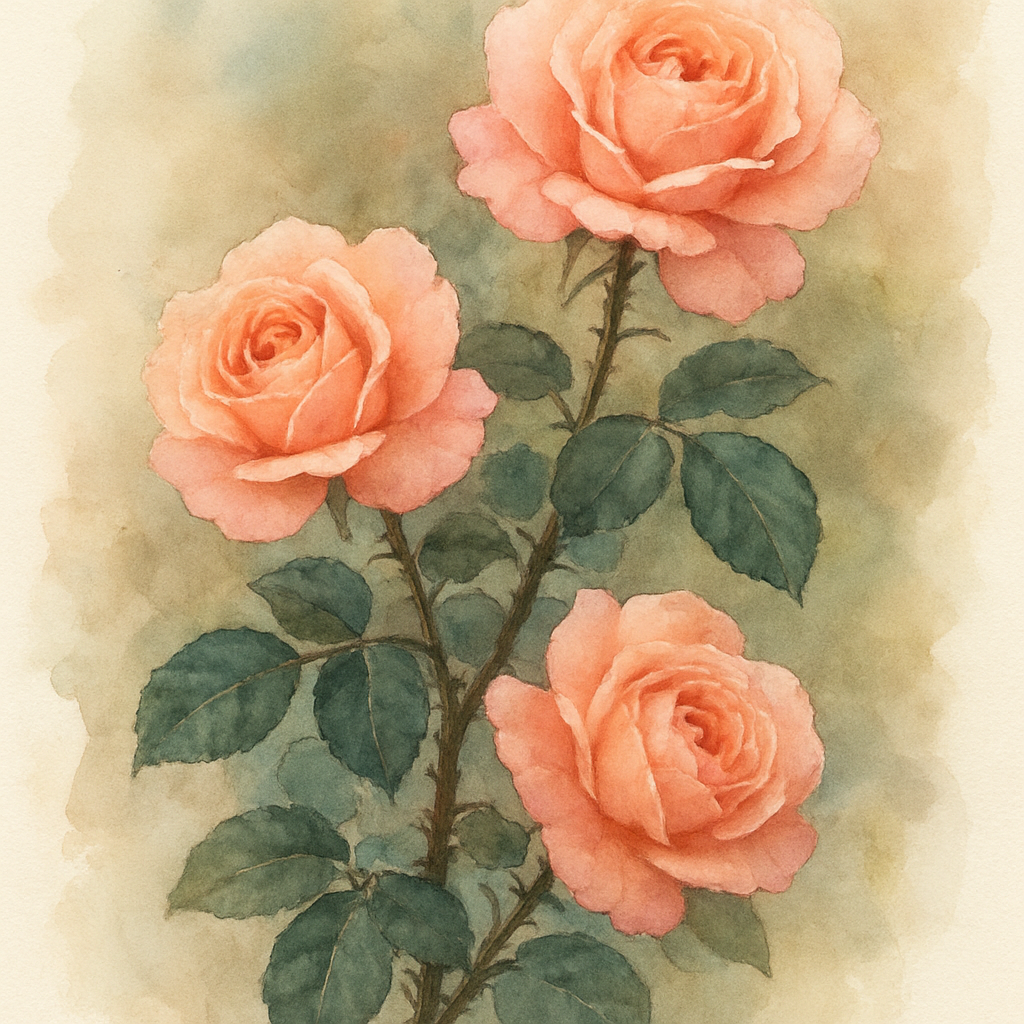
Compassion is the classic repeat-flowering climber — it's been in UK gardens since 1972 and still outsells almost everything newer. The flowers are a blend of apricot and pink, double, and strongly fragrant. It'll cover a fence or wall to around 3m, tolerates a degree of shade, and is more forgiving of imperfect soil than many climbers. Bare-root plants typically run £14 to £22 at present.
For once-flowering climbers, Rambling Rector and Veilchenblau are excellent older varieties you'll find at many specialist rose nurseries for £12 to £16 — considerably cheaper than branded modern varieties.
Shrub Roses for the Border
Beyond the English Rose types, traditional shrub roses are having a bit of a moment. Rosa moyesii and its hybrids produce single flowers followed by magnificent elongated hips in autumn. Rosa glauca is grown as much for its glaucous purple-grey foliage as for its small pink flowers. These are generally cheaper — often £10 to £16 bare-root — and available from specialist rose nurseries and some of the better independent general nurseries.
Practical Tips
Order early. Popular named varieties sell out. We've seen Boscobel and Olivia Rose Austin already showing as limited availability at some nurseries in the first week of January.
Check what's included. Some suppliers include planting instructions and a small amount of mycorrhizal fungi. Others just pack the plant in damp newspaper. Neither is necessarily better, but it's worth knowing what you're getting.
Compare after delivery. Use ComparePlants before you commit. We pull stock and pricing from our tracked nurseries daily, so you can see at a glance whether that £25 David Austin rose is available elsewhere for £17 — and whether the cheaper option actually has it in stock right now.
Bare-root season is short. Make the most of it.