
Bare-Root Trees for Small Gardens
For small UK gardens, bare-root trees like crab apples, amelanchier, and rowan offer affordable, beautiful options for planting this winter.
If you're blessed with a small garden in the UK, the winter season presents a brilliant opportunity to plant bare-root trees. Not only are bare-root trees generally more affordable, but they also establish more robustly compared to their containerised counterparts. This can be particularly beneficial when space is at a premium and every plant needs to earn its keep.
Why Choose Bare-Root?
Bare-root trees are grown in open fields and dug up for sale without the soil that typically surrounds the roots. This makes them significantly lighter, easier to transport, and often cheaper to buy. They’re available from November to March, a period when the trees are dormant, allowing them to settle in their new homes without the stress of active growth. This dormant period also makes them easier to handle and plant.
Perfect Picks for Small Gardens
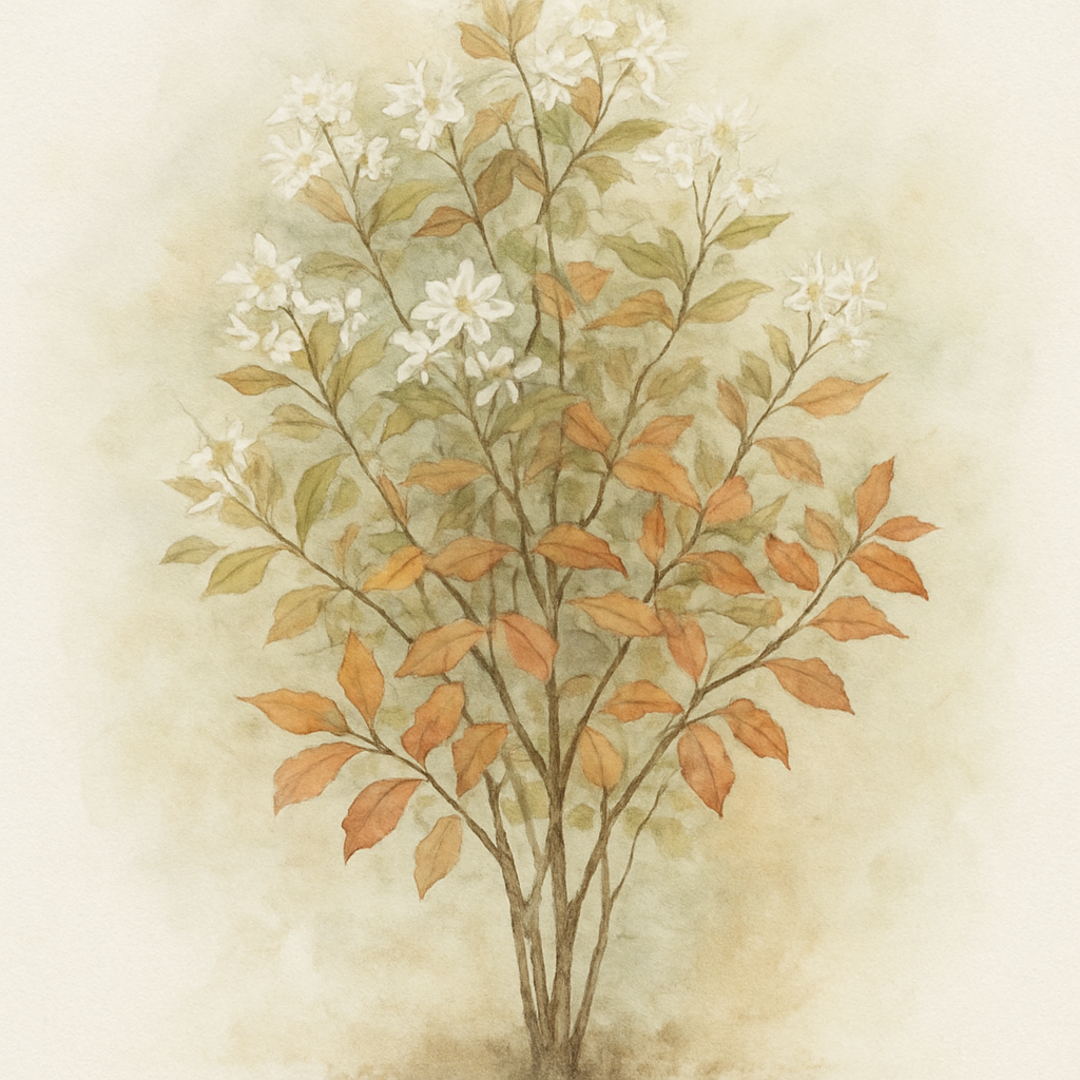
Choosing the right tree for your garden is crucial, and several varieties are well-suited to smaller spaces. The Amelanchier lamarckii is a standout favourite. Known as the Juneberry, it offers a stunning display of white flowers in spring, followed by berries and autumnal foliage that adds interest throughout the seasons. If you’re looking for something with a little more flair, the Grandiflora Ballerina Juneberry is also an excellent choice.
For those keen on native species, the Crab Apple Malus Evereste and Sorbus Joseph Rock are fantastic options. These trees not only fit well into snug spaces but also provide food for local wildlife, making them environmentally friendly choices. The crab apple, in particular, is a versatile tree that offers a show of spring blossoms and colourful autumn fruits, which can be a delight to both the eyes and your local bird population.
Planting Tips
Once you've selected your bare-root tree, planting it correctly is key to ensuring its success. Begin by soaking the roots in a bucket of water for an hour or so before planting. This rehydrates the tree and gives it the best start. Dig a hole that's wide enough to spread the roots comfortably — usually about twice the width of the root system — but no deeper than the roots themselves. Position the tree in the centre of the hole, ensuring the point where the roots join the trunk sits just at ground level.
Backfill the hole with the soil you removed, gently firming it down with your foot as you go. Water the tree well after planting to settle the soil around the roots and eliminate air pockets. A mulch layer of organic matter will help retain moisture and deter weeds as your tree establishes itself.
Compare Before You Buy
The beauty of bare-root trees is their affordability, but prices can still vary between nurseries. It's wise to shop around and compare options before making a purchase. You can explore a range of bare-root trees and their prices on ComparePlants to find the best deal for your garden.
Embrace the charm and practicality of bare-root trees this winter and transform your small garden into a flourishing haven. With careful selection and planting, these trees will provide years of enjoyment and beauty.