
Best Hedging Plants for UK Gardens
Choosing the right hedging plant can transform your garden, offering screening, wind protection, and inviting local wildlife.
Hedges are the backbone of many UK gardens, providing structure, privacy, and a haven for wildlife. Whether you're after a formal evergreen wall or a more natural, deciduous screen, there's a hedging plant for you. Let's explore some of the best options for UK gardens in 2026 and their benefits.
Yew: A Timeless Classic
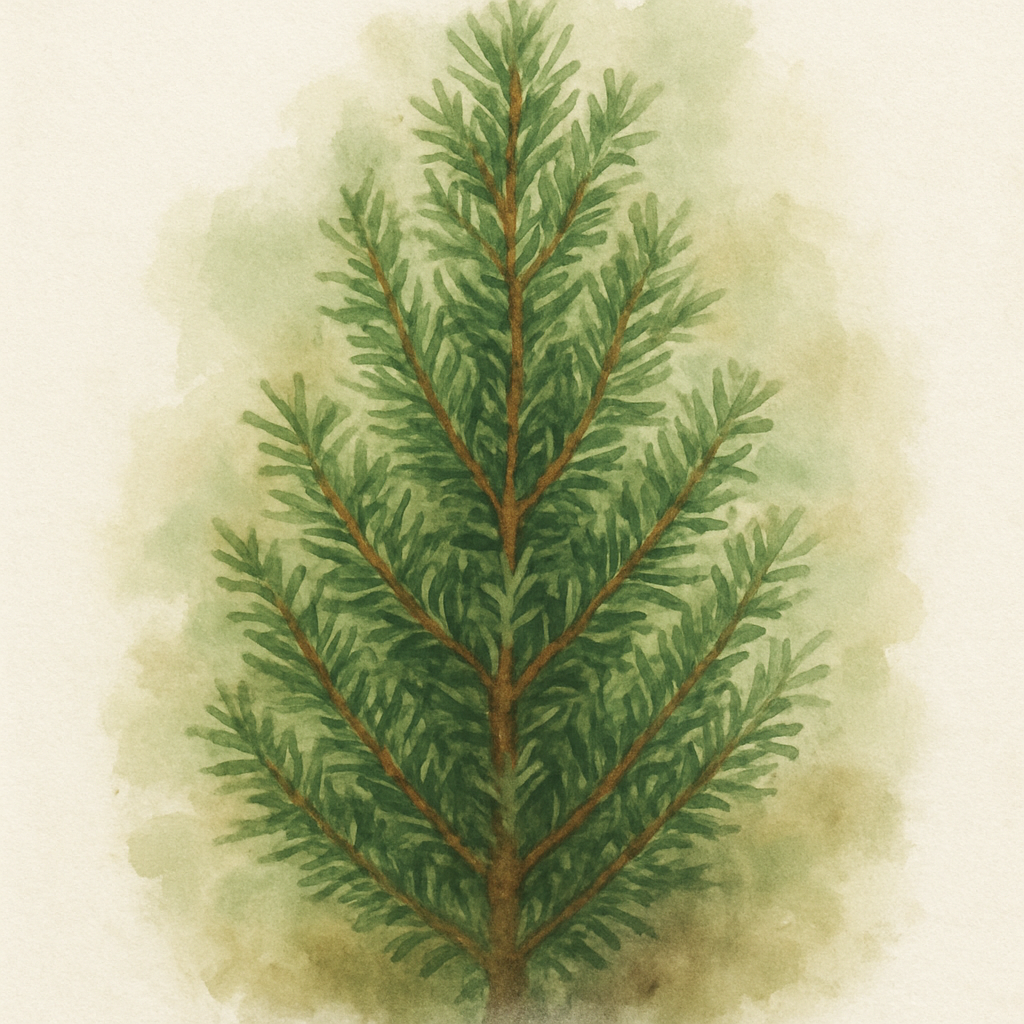
If you're looking for a formal, evergreen hedge, yew (Taxus baccata) is a top choice. Known for its dense foliage and ability to be clipped into precise shapes, yew is perfect for those wanting a classic, structured look. Not only does it look stately, but it also filters wind effectively, making it a practical choice for exposed gardens. Bear in mind, though, that yew is a slow grower. Patience is key, but the end result is a stunning hedge that will last for generations. For more details on yew, you can check out our English Yew page.
Beech and Hornbeam: Deciduous Charm
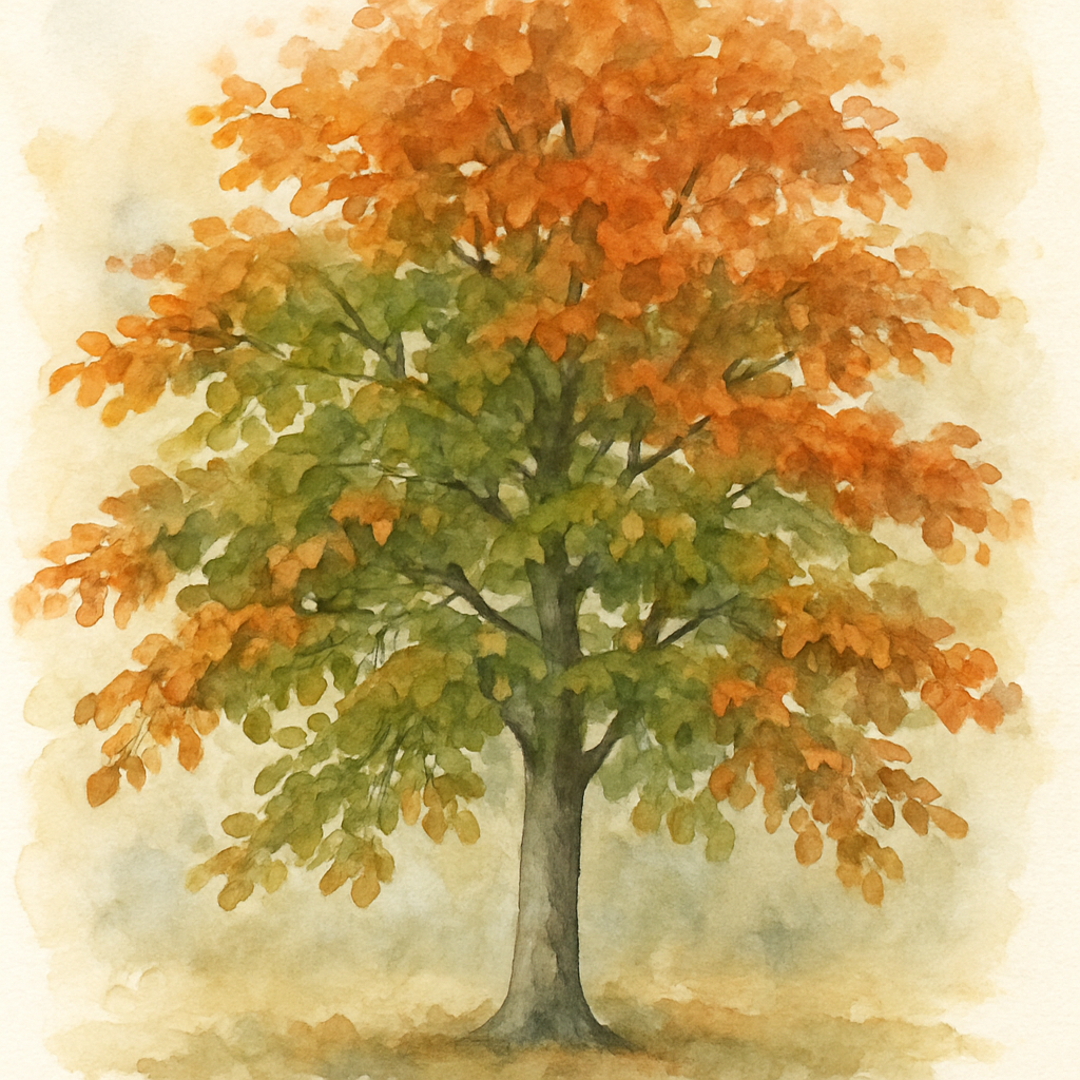
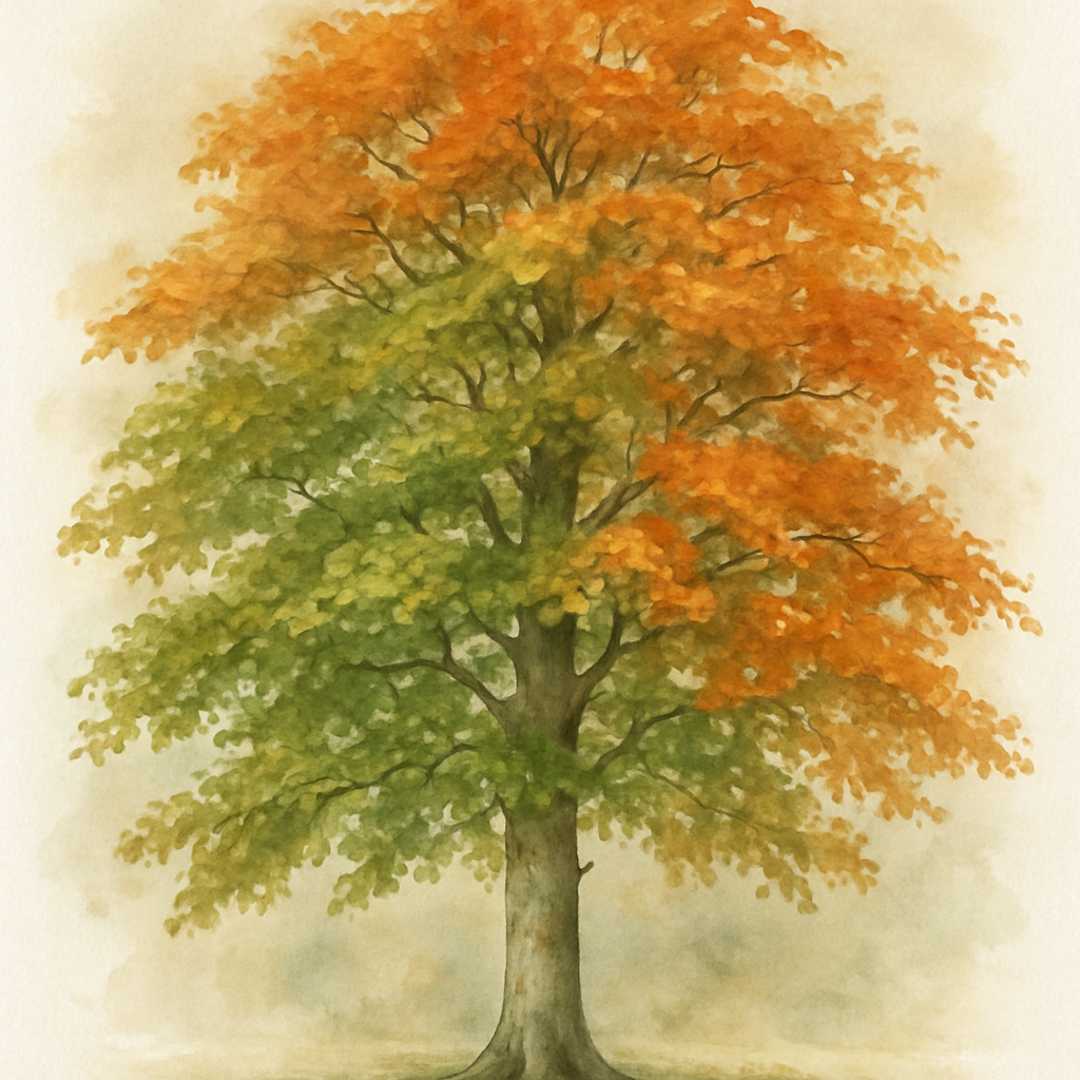
For those who prefer a deciduous hedge, beech (Fagus sylvatica) and hornbeam (Carpinus betulus) are excellent options. Beech holds onto its coppery leaves through winter, providing year-round screening, especially in well-drained, exposed sites. It's a favourite for its fine foliage texture and vibrant colours in autumn. If your garden is prone to heavy clay, hornbeam might be the better choice, as it tolerates these conditions well. Both species establish well when planted as bare-root hedging from November through March, offering excellent value. Explore more about Common Beech and Common Hornbeam.
Privet: Dense and Dependable
Privet (Ligustrum ovalifolium) remains a popular choice for those seeking a dense, fast-growing hedge. It's an evergreen option that requires regular trimming to maintain its shape but rewards with a lush, green screen. Privet is adaptable to a range of conditions and is particularly valued for its robust growth and ability to quickly form a dense barrier.
Timing Your Planting
Regardless of the hedging plant you choose, timing is crucial. For deciduous varieties like beech and hornbeam, the bare-root planting window from November to March is ideal. This allows roots to establish during the dormant season, setting your hedge up for vigorous growth come spring. For evergreens like yew and privet, aim to plant in early autumn or mid-spring, giving them a full growing season to settle in.
Choosing the right hedge for your garden isn't just about aesthetics; it's also about creating a space that suits your lifestyle and local conditions. Whether you're after the formality of yew, the seasonal beauty of beech, or the reliability of privet, there's a hedge to meet your needs.
If you're considering a new hedge, it's worth comparing your options to ensure you get the best value. Have a look at our listings on ComparePlants to find your perfect match and see where you can source these hedging plants at competitive prices.