Camellia Buying Guide: What Size Pot Should You Buy?
A 2-litre camellia costs £15. A 10-litre costs £45. But which is actually better value?
You've found the camellia you want. You know the variety, you've checked the colour, and you're ready to buy. Then you hit the dropdown menu: 2-litre, 5-litre, 10-litre, or — if you're feeling flush — a 20-litre specimen. The price jumps from £15 to £85. So which size actually makes sense?
Having tracked camellia prices across dozens of UK nurseries, I can tell you the answer isn't always the biggest pot you can afford.
What the pot sizes actually mean
Pot sizes refer to the volume of the container, not the height of the plant. But there's a rough correlation:
- 2-litre pot: Typically 30-50cm tall. A young plant, often a single stem with a few side branches. One to two years old from the nursery's perspective.
- 5-litre pot: Usually 50-80cm. More branching, a fuller shape. You might get a flower or two in the first spring.
- 10-litre pot: Around 80-120cm. A properly established plant with a decent root system. Should flower reliably from year one.
- 20-litre pot: 120cm and above. An instant-impact plant. These have been grown on for several years and will look the part from the day you plant them.
The jump between each size represents roughly one to two growing seasons. So a 10-litre plant is essentially what a 2-litre plant becomes after three or four years of good care.
The real cost calculation
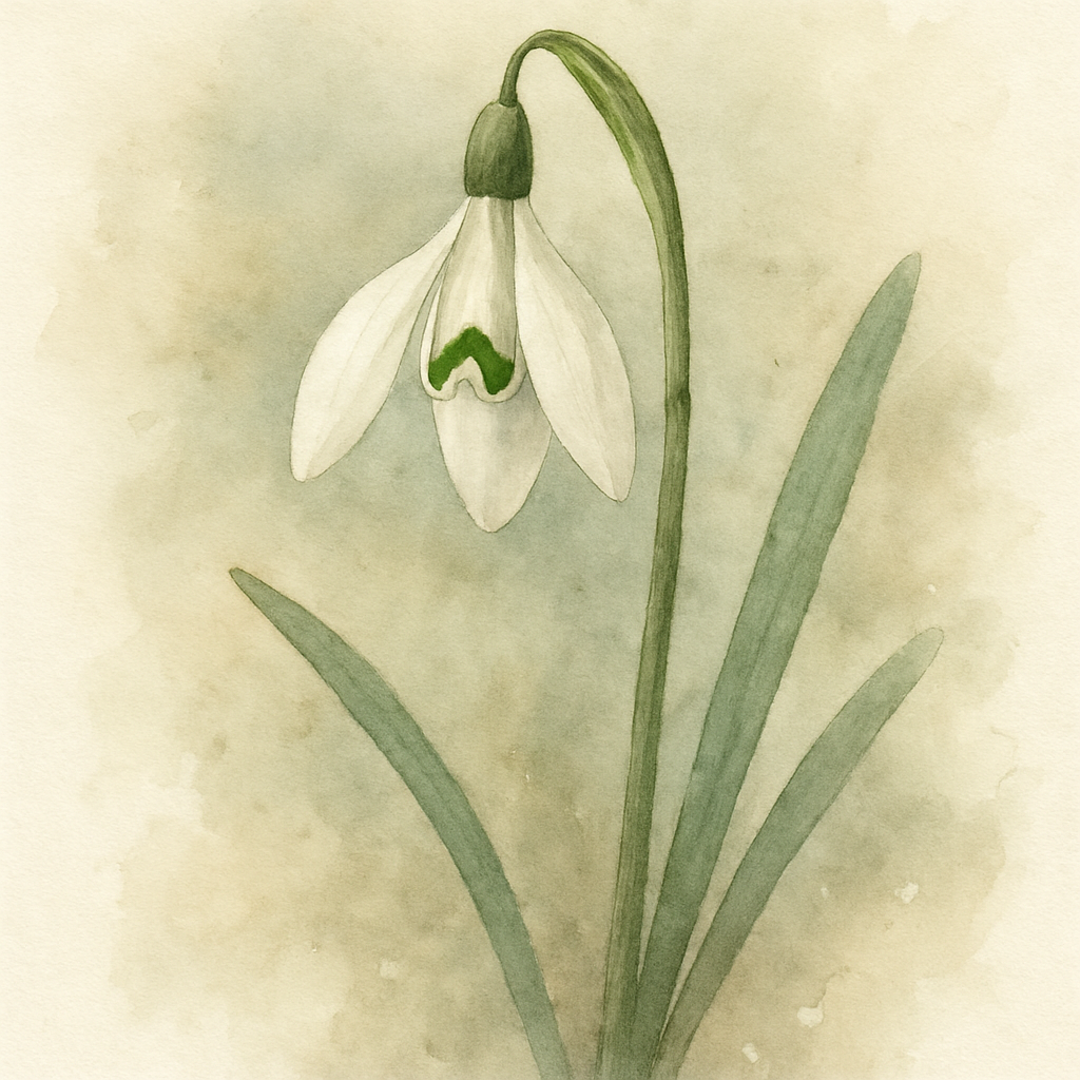
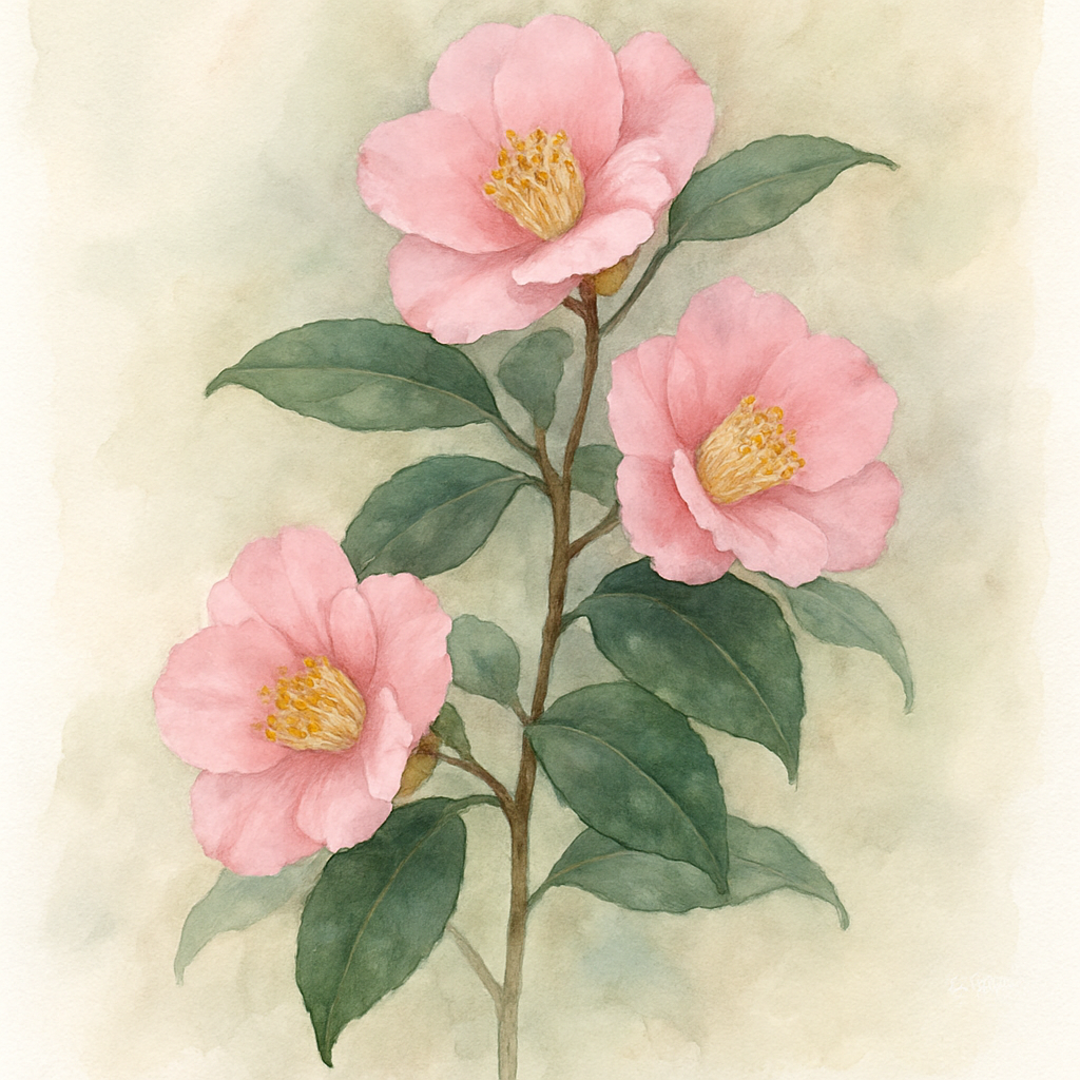
Here's where it gets interesting. Take Camellia x williamsii 'Donation', one of the most popular camellias in the UK. Across the nurseries we track, a 2-litre plant typically costs between £14 and £18. A 10-litre version of the same variety runs £40 to £55.
That sounds like the smaller plant is the obvious bargain. But consider what those three to four years of growing actually cost you: ericaceous compost (£8-£12 per bag), liquid feed each growing season (£6-£8), and a couple of pot upgrades along the way (£5-£10 each). You're looking at £30-£40 in materials alone, plus several years of watering and attention.
Suddenly the 10-litre plant at £45 starts to look like someone else did the hard work for you — at roughly the same total cost.
When smaller makes sense
That said, there are genuine reasons to buy small. If you're planting a hedge of camellias, buying ten 2-litre plants at £15 each is far more sensible than ten 10-litre plants at £45. The maths is obvious: £150 versus £450.
Smaller plants also establish more readily in open ground. A 2-litre camellia planted in autumn with proper soil preparation will put on vigorous root growth through winter and often catches up with larger plants surprisingly quickly. Camellias are not slow growers — in the right acidic soil with some shelter, expect 15-25cm of new growth each year.
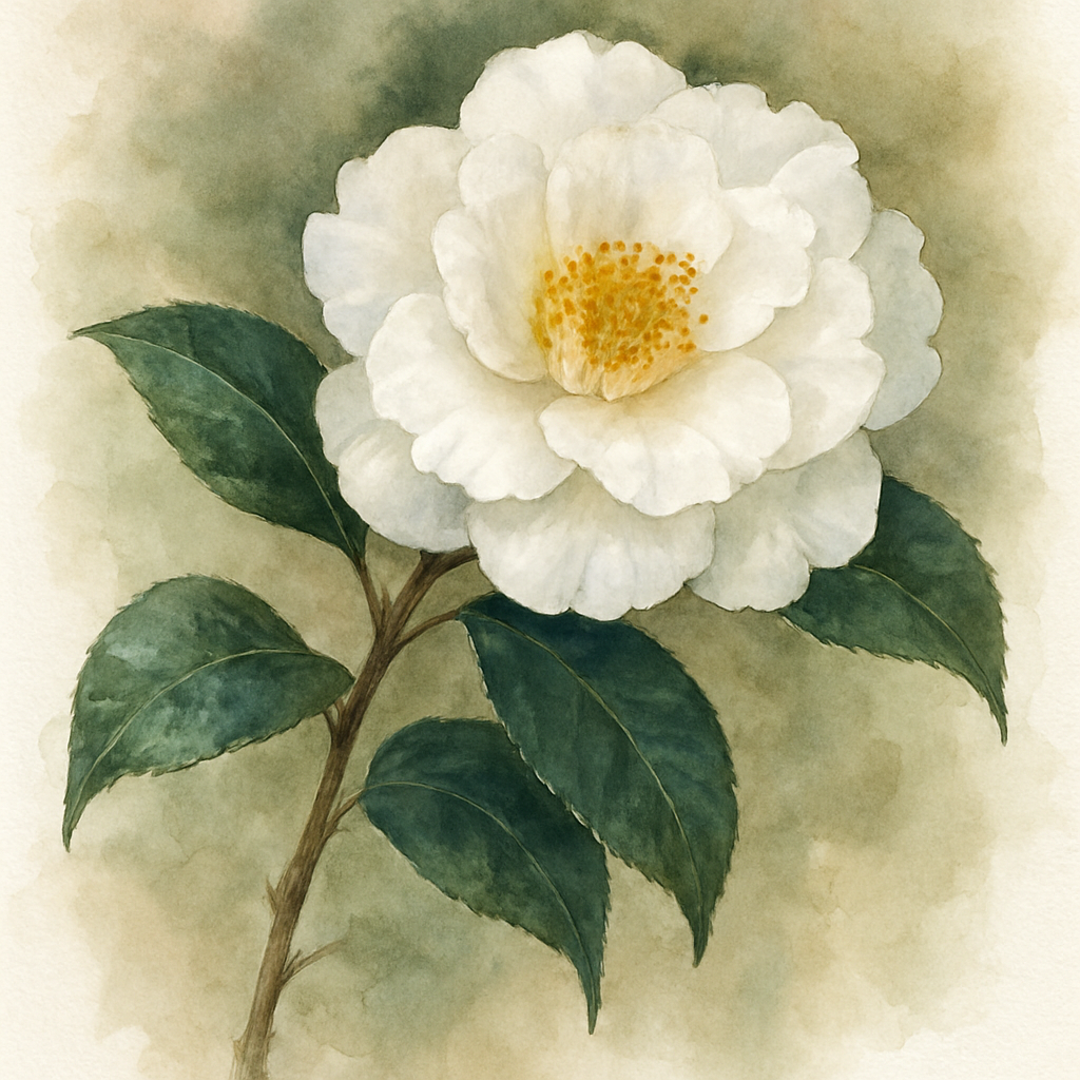
If you're a patient gardener who enjoys watching plants develop, a 2-litre Camellia japonica 'Nobilissima' is a perfectly sound investment. You'll just need to wait a couple of seasons for the full display.
When bigger is worth it
Go large if the plant is for a focal point — a pot by the front door, a specimen in a courtyard, or a gap in an established border that needs filling now. The visual impact of a 10-litre or 20-litre camellia is immediate, and there's real value in not staring at a bare patch for three years.
Bigger plants are also worth it for varieties that are slower to establish or trickier to grow. If you're spending £25 on a rarer cultivar, the larger size gives you a plant with a better-developed root system that's more forgiving of the odd missed watering or late frost.
The sweet spot
For most gardeners, the 5-litre pot is the best compromise. You get a plant with enough structure to look respectable, enough roots to establish quickly, and a price point that doesn't sting. Across the nurseries we track, 5-litre camellias typically sit between £22 and £32 — the middle ground between patience and instant gratification.
If you're buying for a container and want flowers this spring, step up to a 10-litre. If you're planting a dozen in a woodland border, buy 2-litre and be patient.
One more tip
Whichever size you buy, plant in autumn. September through November gives the roots time to settle before winter, and you'll see noticeably stronger growth the following spring compared to a spring-planted camellia. And always — always — use ericaceous compost. Camellias in neutral or alkaline soil don't just sulk. They die slowly, and expensively.