
Chelsea 2026, Day Two: Planting for a Changing Climate
If one idea defines Chelsea this year, it's resilience. Here's the climate-resilient planting the designers keep reaching for — and the plants behind the look.
Walk the show gardens a second time and a pattern settles in. This isn't a year of lush, thirsty borders. It's a year of gardens built to cope — with dry summers, sudden downpours, and the general unpredictability we've all started planting around.
Tom Stuart-Smith set the tone with the Tate Britain Garden and its climate-resilient palette, but the idea was everywhere by today. Members wandering the gardens on this quieter, in-between day were looking at the same thing from a dozen angles: how do you make a garden that still looks good when the weather stops cooperating?
What climate-resilient actually means
Stripped of the jargon, it comes down to a few honest plant choices.
Deep roots. Plants that send roots down a long way fend for themselves in a dry spell. They take longer to establish, but once they're in, they ask very little of you.
Mediterranean instincts. Sun-lovers that evolved on dry hillsides — think aromatic, silvery, tough-leaved things — shrug off heat that would flatten a soft border perennial.
Right plant, right place. The least glamorous principle and the most important. A drought-tolerant garden isn't about one miracle plant; it's about matching what you grow to the spot you've got.
The plants doing the work
Today's gardens leaned heavily on a familiar, dependable cast:
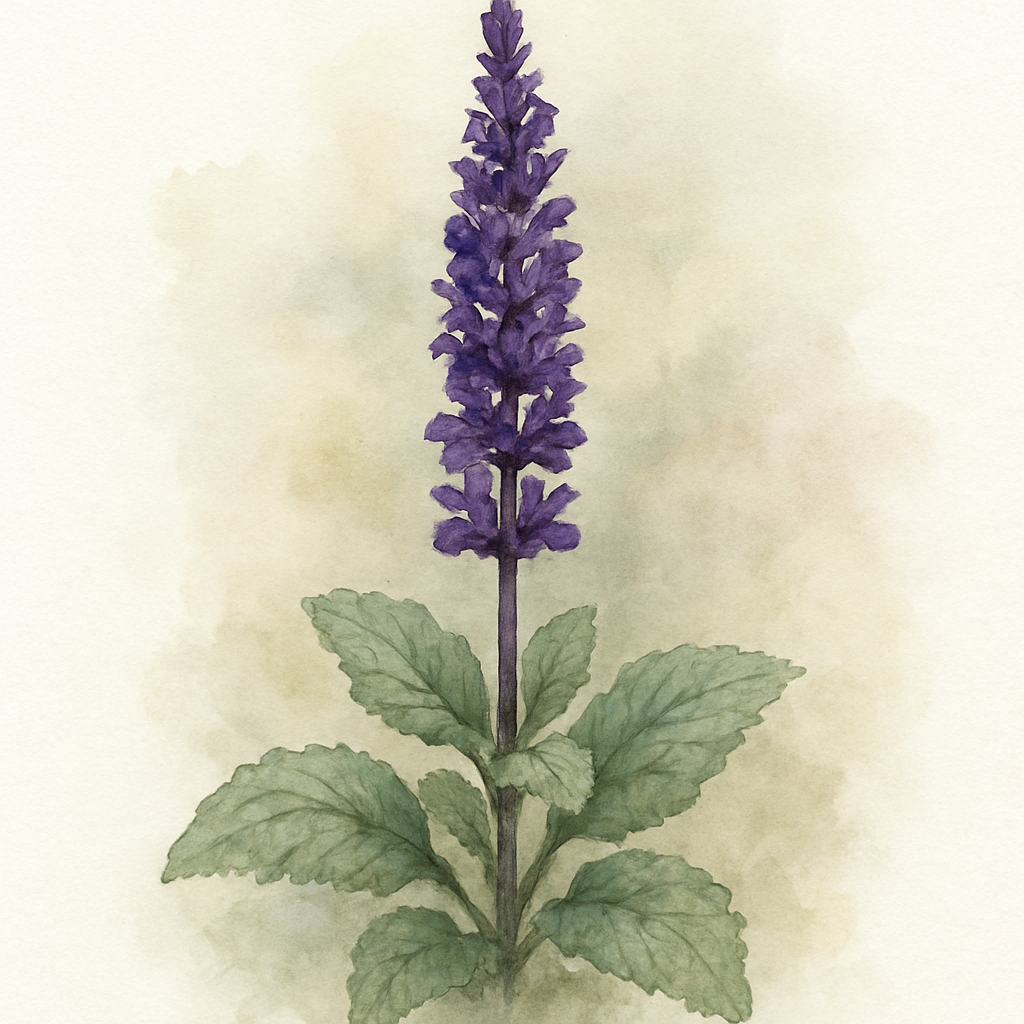
- Lavender — the obvious one, and still the best value way to add scent and heat-tolerance in a sunny spot.
- Salvias — months of flower on very little water once established.
- Architectural alliums — those drumstick heads holding their shape long after flowering.
- Ornamental grasses, especially the tall, airy Stipa — movement and structure for next to no maintenance.
The thread running through all of them is the same: plant them once, in the right place, and they largely look after themselves.
A note on soil
The unglamorous truth behind every resilient garden at Chelsea is good preparation. Drought-tolerant plants generally want sharp drainage, not rich, water-holding soil. A barrowload of grit worked into a heavy spot does more for a lavender than any amount of watering will.
If you're not sure what suits the conditions you're actually dealing with — that sunny, free-draining corner, or the heavy patch that bakes hard in summer — our Garden Designer matches plants to the spot rather than the other way round. It's the least romantic part of gardening and the part that decides whether any of this works.
Tomorrow the doors open to everyone, and the conversation shifts from the designers to the plants the crowds can't stop photographing.