
Drought-Tolerant Plants That Still Look Good
Dry-garden planting has a reputation for looking like a car park in July. It doesn't have to. Twelve plants that hold their shape and colour through a dry summer — and the honest caveat about planting them now.
The usual complaint about drought-tolerant planting is fair: a lot of it looks grim. Grey, spiky, sparse, and arranged in gravel, as though the garden has given up and is waiting to be turned into a driveway.
That reputation comes from a real problem. Plants adapted to dry conditions have small leaves, or hairy leaves, or waxy leaves, because those are the ways of losing less water — and all three tend towards silver, grey and narrow. Put fifteen of them together with nothing else and you get texture without incident.
The fix is not to avoid them. It is to choose the ones that do something else as well: hold a strong shape, flower for a long season, or carry a good seedhead into autumn. Here are twelve that earn their place, all currently listed with UK nurseries.
Start with the honest caveat
Drought-tolerant means tolerant once established. It does not mean it can be planted into baked ground in the middle of August and left alone.
A plant that has been in the ground for two or three seasons has a root system that can go looking for water. A plant that went in last week has a rootball the size of the pot it came in and nothing beyond it. In a drought, that plant is entirely dependent on you, and it will die faster than a thirsty plant would, because you assumed it wouldn't.
If you are buying now, the realistic options are: plant now and commit to watering it properly through to the autumn rain, or buy now and hold the pots somewhere sheltered until September or October, when planting conditions are far kinder and establishment is largely done by the weather. Autumn planting is genuinely the better bet for most of this list.
The ones that hold their shape
Structure is what stops a dry border reading as scrub.
Phlomis russeliana is the best value in this category and badly underused. Whorls of soft yellow flowers up a stiff stem in early summer, and then — the actual point — those stems stand through autumn and most of the winter as dark architectural seedheads. One plant does three seasons of work.
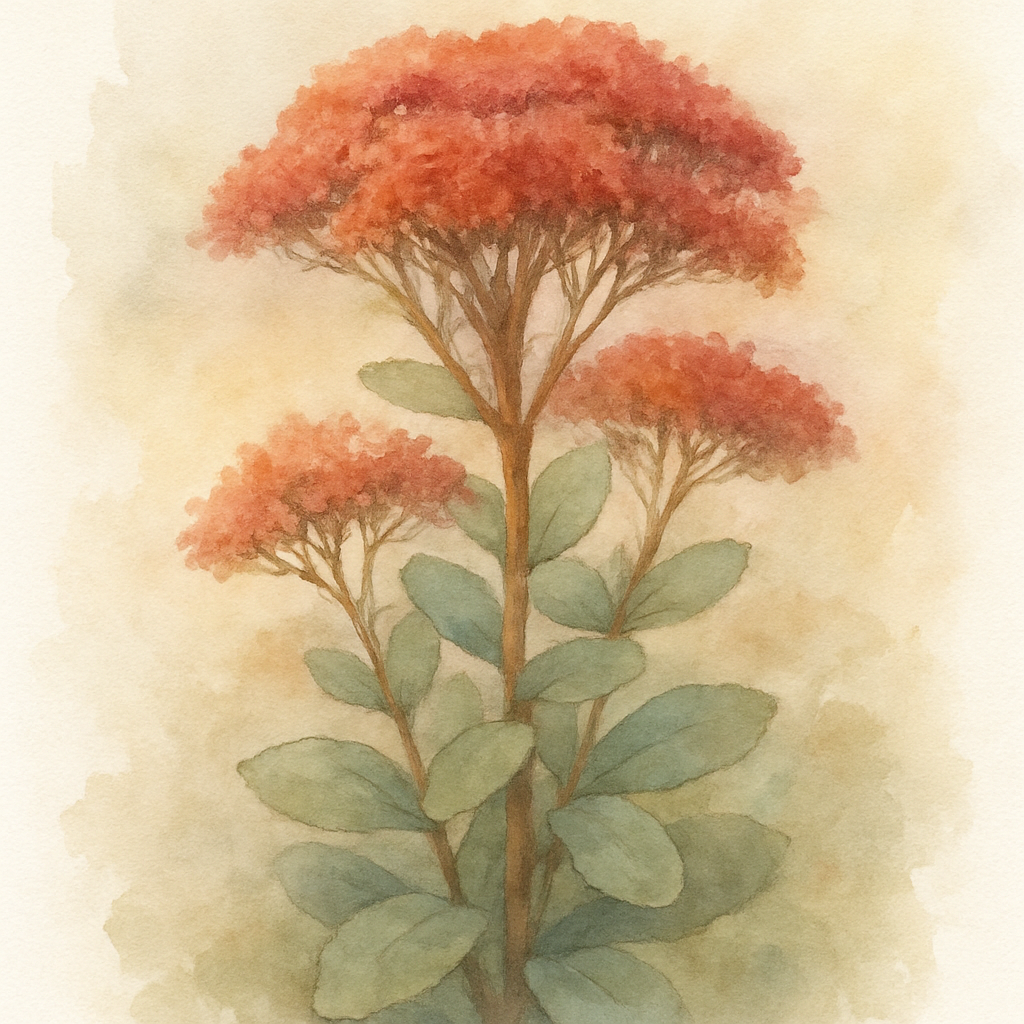
Sedum 'Herbstfreude', which older catalogues still call Autumn Joy, does something similar at knee height: flat heads that come up green, turn dusty pink, deepen to rust, and stand up to frost. It is a plant with four separate looks in one year and it asks for nothing.
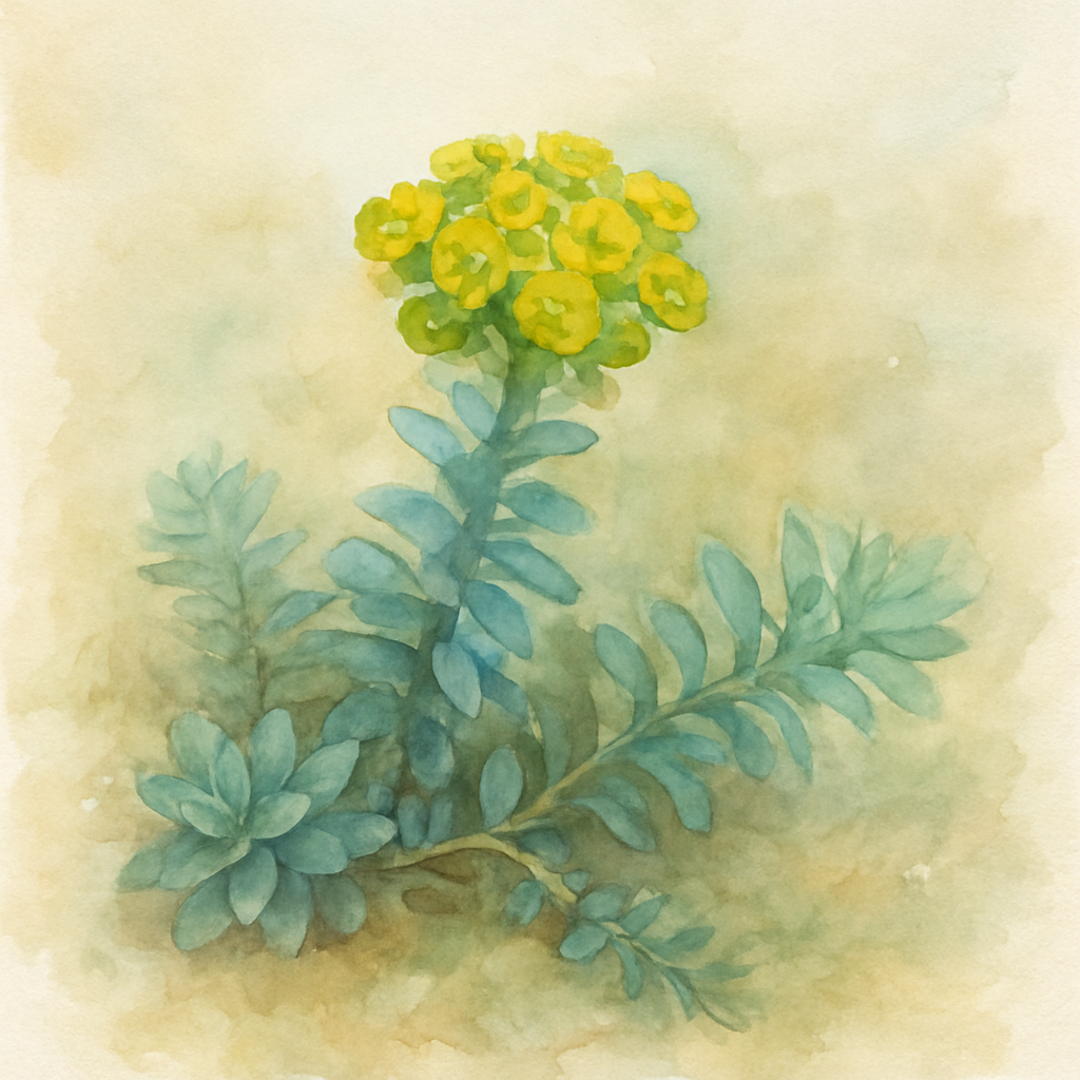
Euphorbia myrsinites trails over an edge or a wall in blue-grey spirals. It is the closest thing on this list to a succulent, and it is happiest in the sort of hot, sharp-drained spot where nothing else will settle. Wear gloves — the sap is an irritant.
The ones that flower for months
Nepeta 'Walker's Low' is the workhorse. Soft blue haze from late spring, and if you cut it back hard after the first flush it will do the whole thing again by late summer. It softens hard edges, it is loved by bees, and it survives neglect that would kill a lavender.
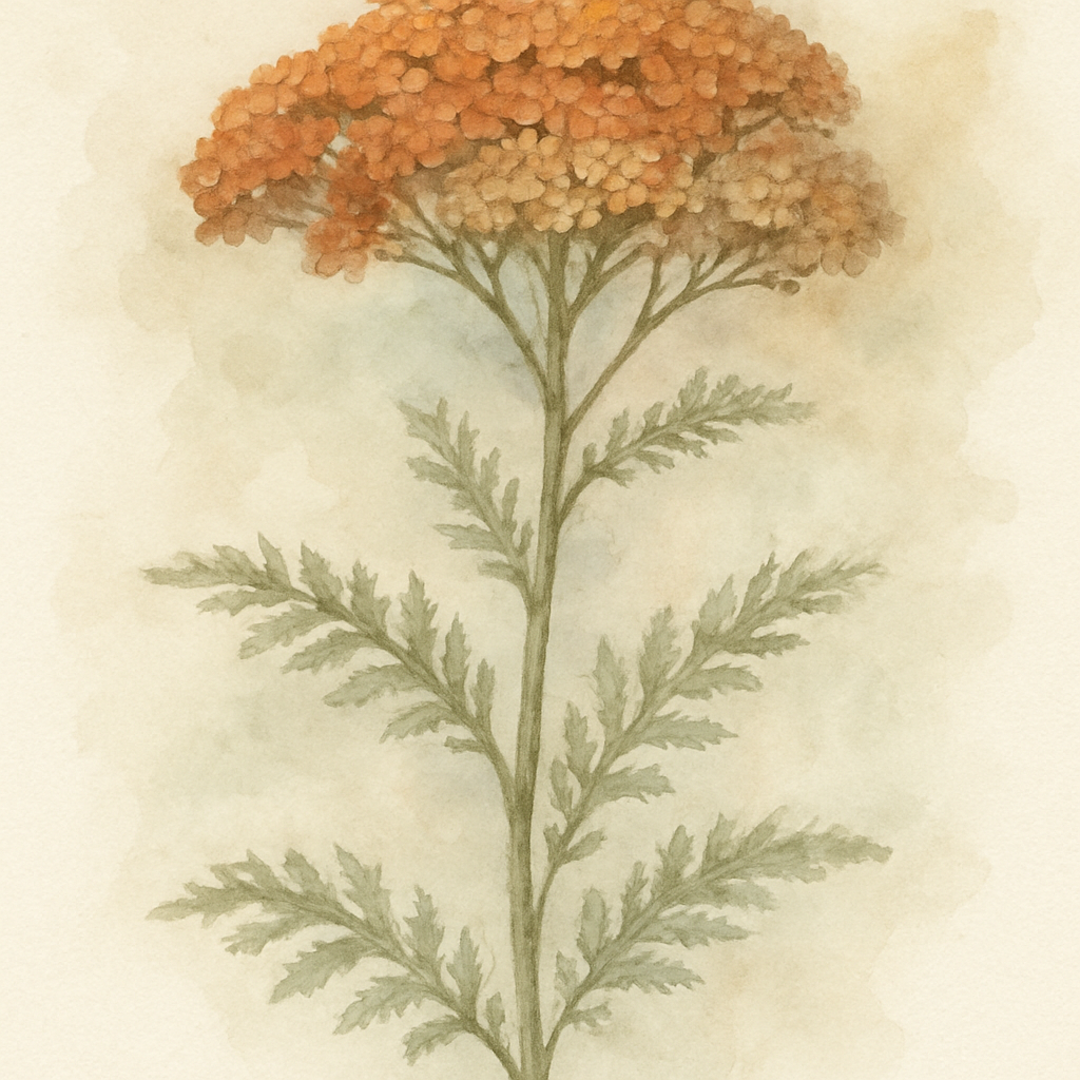
Achillea 'Terracotta' opens a burnt orange and fades through apricot to a soft buff, with several shades on the plant at once. Flat plates of flower against fine ferny foliage — it reads as considered rather than as tough, which is the whole trick.
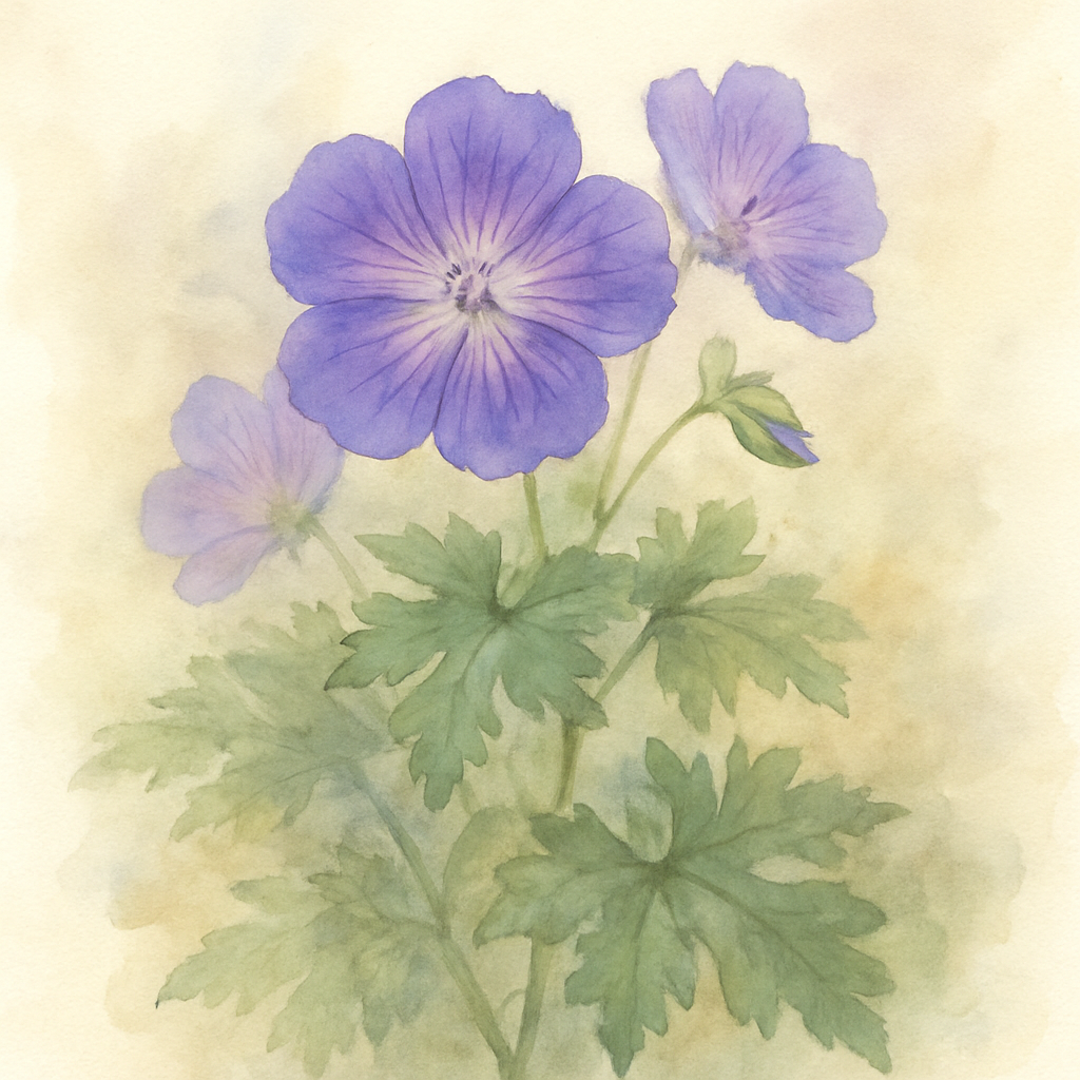
Geranium 'Rozanne' is on this list slightly against type. It is not a true dry-garden specialist, but it copes with far more heat and drought than its lush appearance suggests, and it flowers from June until the frosts without a pause. If your dry border needs one thing that looks generous rather than stoic, this is it.
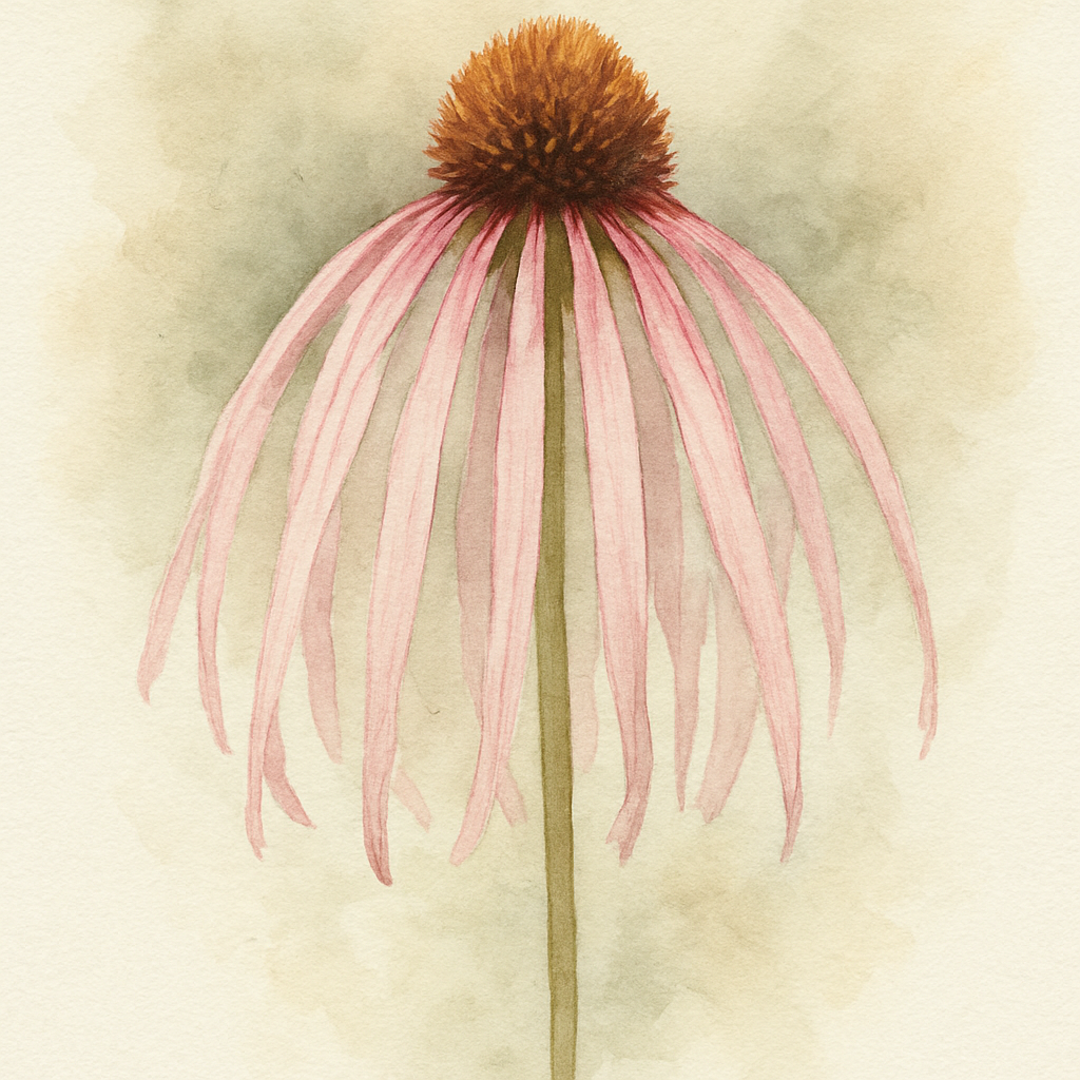
Echinacea pallida has narrow, sharply reflexed petals that hang down from a dark cone — much more elegant than the stouter garden coneflowers, and better suited to thin, dry soil. Leave the cones standing and the birds will work them over in autumn.
The ones that move
Grasses are what stop a dry planting looking static, and they are the most drought-adapted things in most gardens.
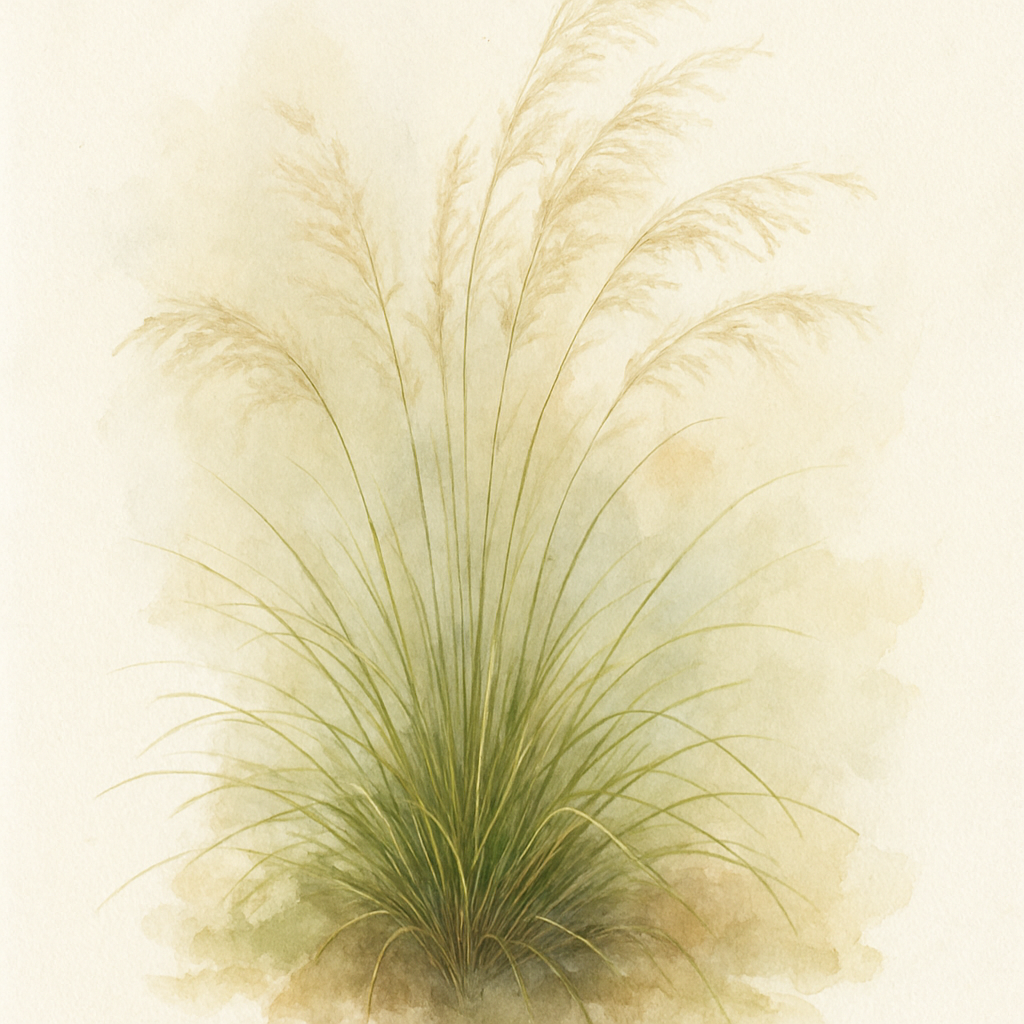
Stipa tenuissima — Mexican feather grass — is fine enough to move in the smallest breeze and turns from green to pale wheat as the season goes on. It self-seeds enthusiastically. Whether that is a feature or a nuisance depends on your temperament; comb the dead material out with your fingers each spring rather than cutting it.
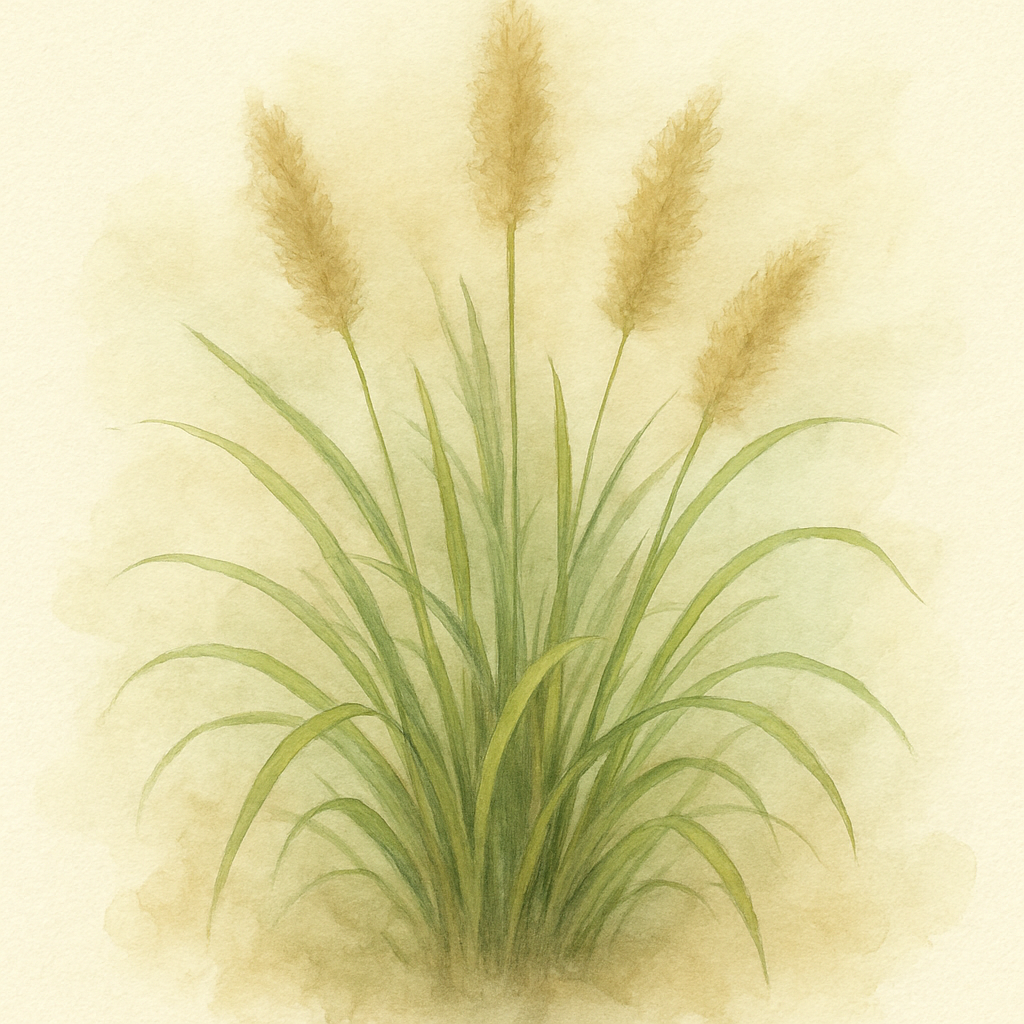
Pennisetum 'Hameln' is tidier and better behaved, with soft bottlebrush flowerheads from late summer that catch low autumn light. It is a good choice if you want the movement without the seedlings.
The silver ones, used properly
Silver foliage is the cliché, but a little of it lifts everything around it — the trick is treating it as punctuation, not as the sentence.
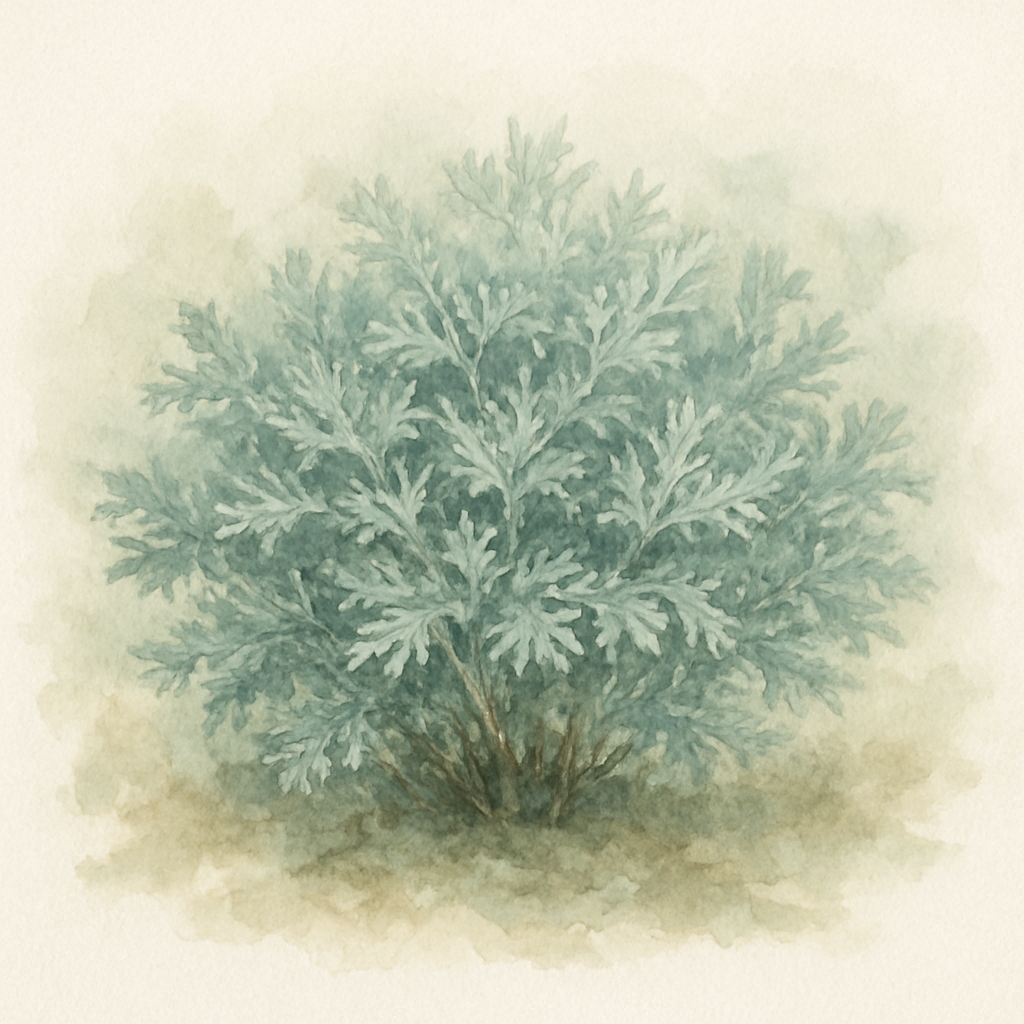
Artemisia 'Powis Castle' is the best of them: finely cut, almost white, mounding into a soft dome. Cut it back in spring, never in autumn.
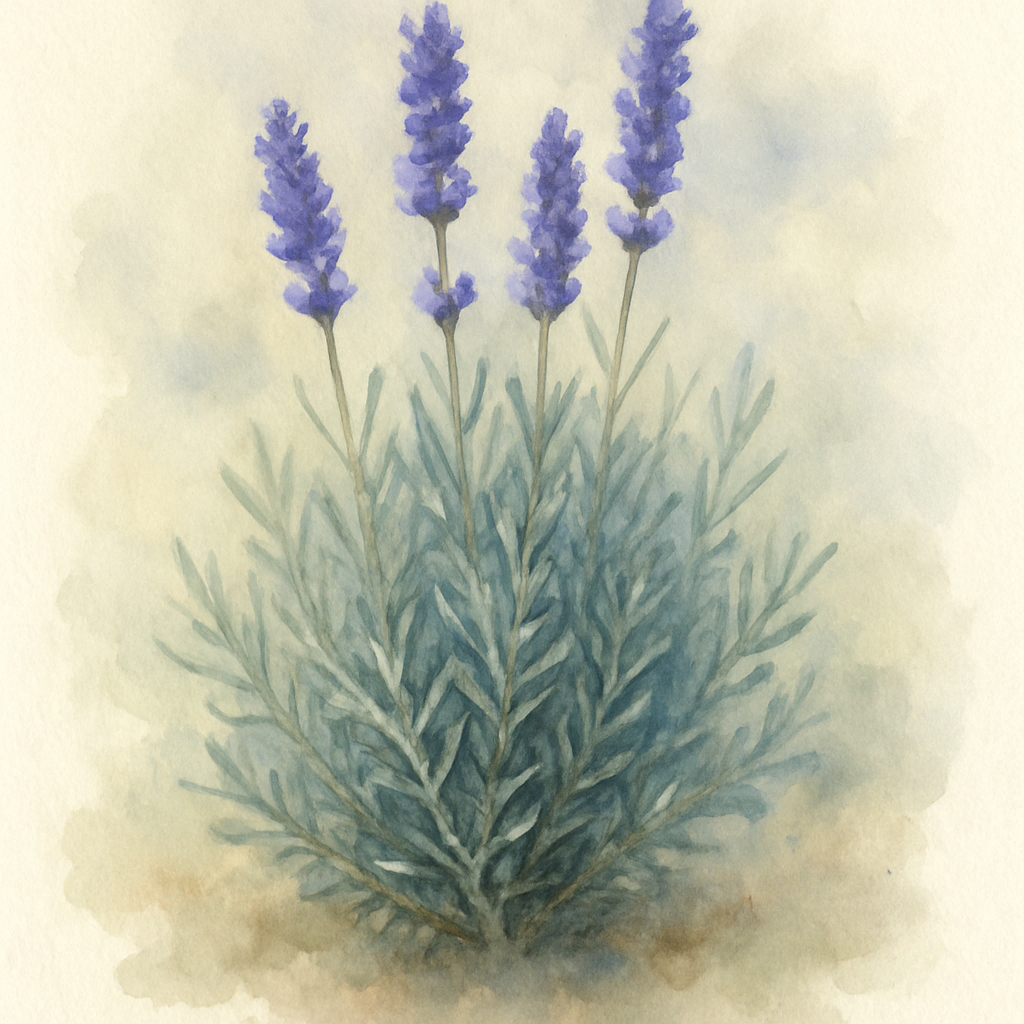
Lavandula angustifolia 'Munstead' is compact, properly hardy, and a better choice for a British garden than the showier French types, which resent our winter wet far more than our summer drought. Sharp drainage matters more than sun.
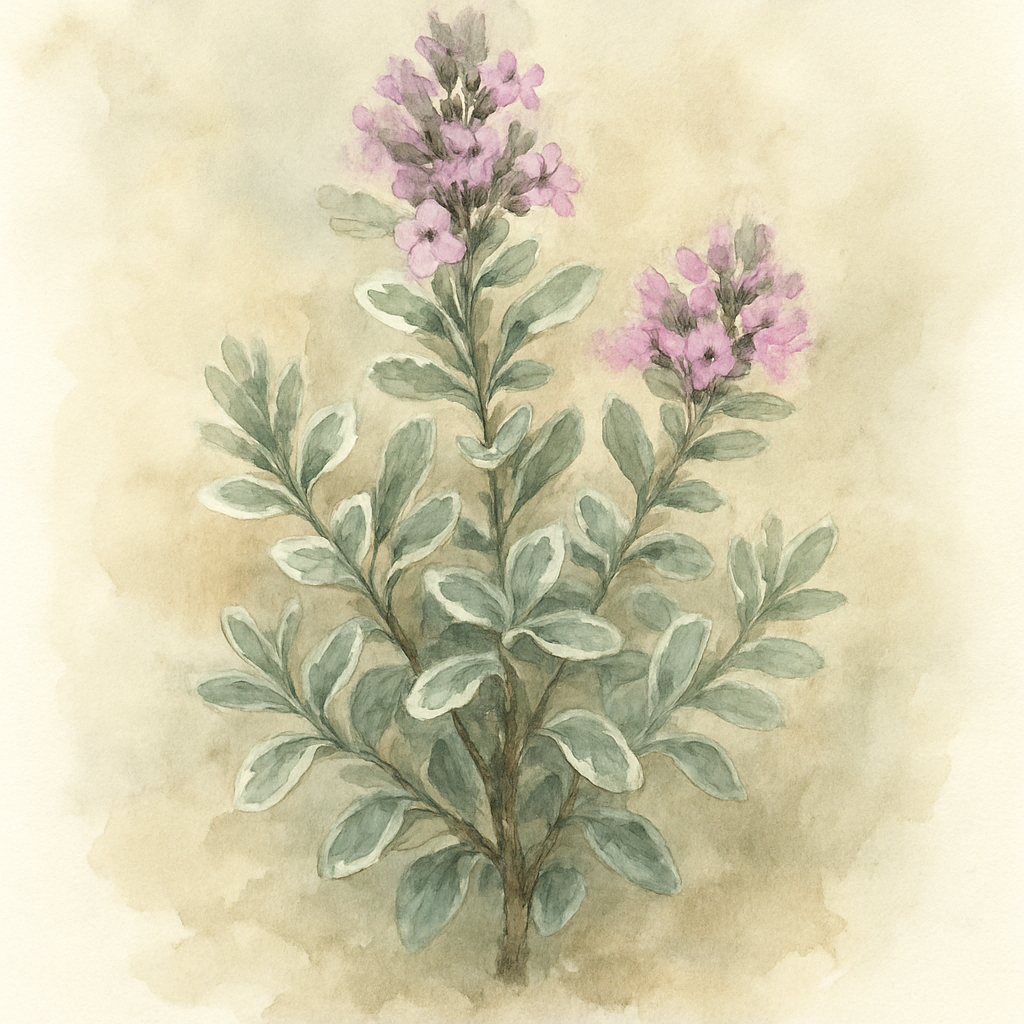
Thymus vulgaris 'Silver Queen' fills the gaps at ground level, takes being walked on, releases scent when it does, and is useful in the kitchen. Every dry garden should have a path edged with thyme.
Putting it together
The combination that works, and it works almost anywhere: something architectural that stands into winter, something blue or soft that flowers for months, one grass for movement, and a small amount of silver. Repeat that group along the border rather than planting one of everything. Repetition is what makes a mixed planting read as designed rather than as a collection.
Two practical notes that matter more than plant choice. First, drainage beats everything — most of these plants are killed by wet winters, not dry summers, and heavy soil will need grit and a raised planting position. Second, plant them close enough that they knit together within two seasons: a closed canopy shades the soil, and shaded soil holds water.
You can see the full list of what is currently available for dry conditions on our drought and dry soil page, and there is a wider selection in our earlier guide to drought-tolerant plants for UK gardens.
Buy now if you like. Just be honest with yourself about whether you are going to water it.