
Hellebores: The Perfect Winter Flower (And Where to Buy Them Cheapest)
Hellebores light up winter gardens. We compared prices across the UK nurseries we track to find the best deals.
If you had to choose a single plant to make a winter garden feel genuinely alive, hellebores would be a very strong candidate. They flower when almost nothing else does, they're evergreen, they tolerate the shadier spots that most other plants refuse, and once they're settled in your garden they'll outlive you. They also, increasingly, come in colours and forms that would have been unimaginable twenty years ago.
We compared prices across the UK nurseries we track for common hellebore varieties and found a spread of £8 to £22 for similar plants. That range deserves some explanation, because not all of it reflects quality differences.
Understanding the Types
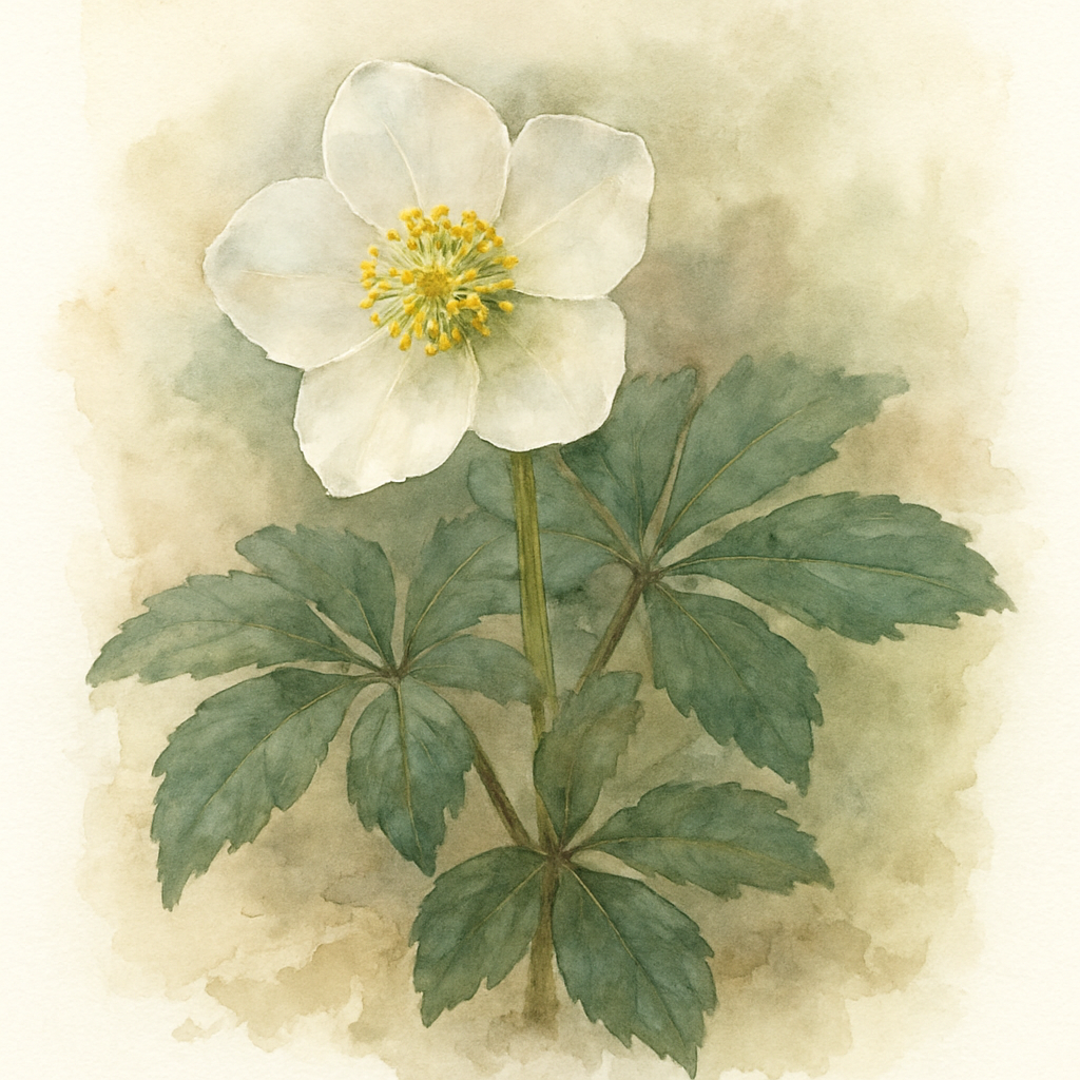
The majority of hellebores sold in the UK are Helleborus x hybridus, sometimes called Lenten roses or Oriental hybrids. These are crosses involving several Helleborus species, and decades of selection have produced an extraordinary range of colours, forms, and flower types. The flowers face downwards (a habit that can be infuriating when you want to see the colour — more on that shortly), and they bloom from January through April depending on the variety and the season.
Then there are the species. Helleborus niger, the Christmas rose, flowers earlier than the hybrids — sometimes as early as November — but it's fussier and slower to establish. It typically costs more: expect £12 to £20 for a decent-sized plant. Helleborus foetidus, the stinking hellebore, is a native British species with pale green flowers edged in maroon and excellent tolerance of dry shade. Despite its name, it only smells unpleasant if you bruise the leaves, and it's very handsome planted in a woodland edge or under trees. You can usually find it for £8 to £14.
Why Seed-Raised vs. Named Varieties Matters
This is the main driver of the price difference, and it's worth understanding before you spend money.
Most cheap hellebores (£8 to £12) are seed-raised plants. The nursery grew them from seed, and while they've probably selected for reasonable flower quality, the exact colour and form isn't guaranteed. This can be wonderful — you get a surprise — or mildly frustrating if you were hoping for a specific shade. Seed-raised plants are often excellent value if you're not precious about colour.
Named varieties (£14 to £22) are vegetatively propagated — grown from divisions or micropropagation — so the plant is genetically identical to the named parent. If you buy 'Anna's Red', you get 'Anna's Red'. The named Ashwood Garden Hybrids series, the Harvington hybrids, and the HGC (Helleborus Gold Collection) from Heuger are examples of consistently named varieties with predictable results.
The HGC varieties — 'Ice N' Roses', 'Merlin', 'Jacob' and so on — tend to be sold through garden centres as well as nurseries, and the prices can vary quite a bit. We've seen 'Ice N' Roses White' available from £11 to £19 for what appears to be an equivalent plant. Checking a few sources before you buy is simply sensible.
Growing Well
Hellebores are remarkably tolerant, but they do have preferences. They like:
Part shade. They'll grow in full shade but flower less freely. A spot that gets morning light and afternoon shade is ideal. Under deciduous trees works very well — they get winter sun when the canopy is bare and shade in summer.
Reasonable drainage. They don't want waterlogged soil, but they're not as drought-sensitive as many perennials once established. Heavy clay amended with grit and compost is fine.
Slightly alkaline to neutral pH. They come from limestone regions in the Balkans and prefer conditions that reflect that. If your soil is very acidic, adding a little garden lime helps.
Annual maintenance. The main job is removing the old leaves in late winter before the flowers emerge. This partly prevents leaf spot (a common fungal issue) and mostly makes it much easier to see and appreciate the flowers. Cut all the old foliage to the base in January or early February and the emerging flower stems and new leaves will be much more visible.
The nodding flower habit — flowers that hang downwards — is either charming or annoying depending on your perspective. If you want to see the flowers' faces properly, plant hellebores on a slope above a path, or in a raised bed, so you can look up into the blooms. Some modern varieties like the HGC 'Star' series have been bred to hold their flowers more outward-facing, which is genuinely useful.
Where to Buy
When we compared prices across the UK nurseries we track in late January, the spread was significant. For an unnamed Helleborus x hybridus in a 9cm pot, prices ranged from £8 at a couple of larger online nurseries to £13 at specialist hellebore growers. For a named variety in a 2-litre pot, the range was £14 to £22.
A few observations from that comparison:
- Specialist growers like Ashwood Nurseries charge more, but the quality and selection of named varieties is genuinely better than the mass-market alternatives.
- Some garden centre chains were notably more expensive than online nurseries for equivalent unnamed seedlings.
- Delivery costs varied enormously — a low plant price plus expensive delivery doesn't always beat a slightly higher plant price with free delivery.
The ComparePlants hellebore pages pull together current stock from the nurseries we track, so you can see where the current deals are without visiting 15 different websites.

A Plant Worth Having
There's a tendency to treat hellebores as a specialist interest — something for the keen plantswoman with a woodland garden — but they're genuinely one of the most useful plants in any garden. A few clumps in a shady corner, nothing around them all winter, and then suddenly in January there are flowers. That transformation is hard to replicate with much else.
Buy a few named varieties for the colour you specifically want, and fill in with seed-raised plants around them. Within a year or two they'll self-seed gently, and in five years you'll have more than you know what to do with.