
How to Support Wildlife in November
November is a critical time to support garden wildlife in the UK, with simple steps like planting pollinator-friendly perennials and providing shelter for hedgehogs making a real difference.
As the days grow shorter and the air turns crisp, November is a crucial month for supporting wildlife in your UK garden. While many of us retreat indoors, wildlife remains active, preparing for winter. From birds to pollinators and hedgehogs, there are plenty of ways you can help ensure they thrive through the colder months.
Planting for Pollinators
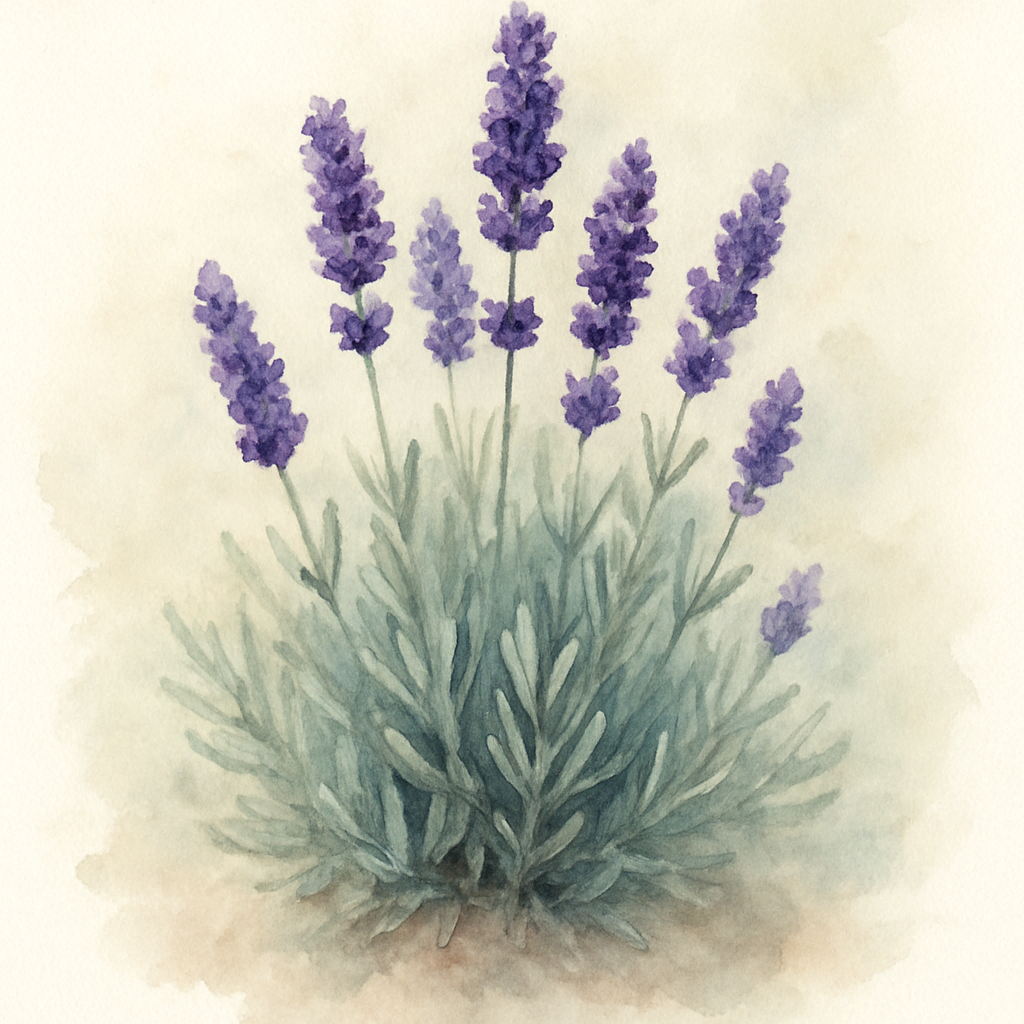
Now might not be the typical planting season, but it's a fantastic time to plan ahead. Consider adding perennials to your garden that will attract and support pollinators from spring through autumn. Lavender, with its aromatic blooms, is a stalwart choice. Varieties like Hidcote Lavender and Munstead Lavender are particularly effective at drawing in honeybees and bumblebees.
Don't stop there. Verbena Bonariensis and Echinacea purpurea Magnus are also excellent choices, offering nectar well into autumn. By planting now, you'll set the stage for a vibrant, pollinator-friendly garden come spring.
Providing Shelter and Food for Birds
Birds are busy at this time of year, feeding up for winter. You can support them by keeping feeders well-stocked with seeds and nuts. Suet blocks are a high-energy favourite, especially as temperatures drop. Consider placing bird boxes around your garden to offer shelter from the elements. Clean out existing boxes to rid them of parasites before any new tenants arrive.
Helping Hedgehogs and Amphibians
Hedgehogs are seeking safe spots to hibernate, and a few simple actions can make all the difference. Leave out a shallow dish of water and some hedgehog-friendly food, like specialised biscuits or cat food (but never fish-based). Creating a hedgehog house with logs and leaves can offer them a cosy place to nestle down for the winter.
For amphibians, a small pond or water feature, even if it’s just a tucked-away corner with water, can provide a crucial habitat. Ensure there's a way for creatures to get in and out easily, and avoid disturbing the area too much.
Embrace the Mess
While tidying the garden might be a tempting task, a little messiness can be beneficial. Leave some leaf piles around — they provide shelter for insects and food for birds. Letting some plants go to seed, like Buddleja davidii Black Knight, creates food sources for birds and adds visual interest to your winter garden.
Sustainable Choices
As you plan your garden, consider sustainable planting trends. Drought-tolerant plants like lavender and echinacea are part of a broader movement towards resilient gardening. These choices not only support wildlife but also help your garden weather increasingly dry summers.
If you'd like to explore more options for your wildlife-friendly garden, browse our lavender listings on ComparePlants. It's a gentle nudge towards creating a haven for our garden friends while getting the best value for your money.
The effort you put in now will be rewarded with a garden buzzing with life come spring. Each small action contributes to a thriving ecosystem, turning your garden into a sanctuary for wildlife, even in the heart of winter.