
How to Support Wildlife in September
September's the perfect time to support garden wildlife with nectar-rich plants like echinacea and buddleja, keeping our gardens buzzing with life even as summer fades.
As the warmth of summer begins to wane, September offers a wonderful opportunity to support the wildlife in your garden. Whether you're an avid gardener or a casual enthusiast, small actions can make a significant difference for the creatures that visit your patch. Let's explore some practical ways to help birds, pollinators, amphibians, and hedgehogs right now.
Nectar-Rich Plants for Pollinators
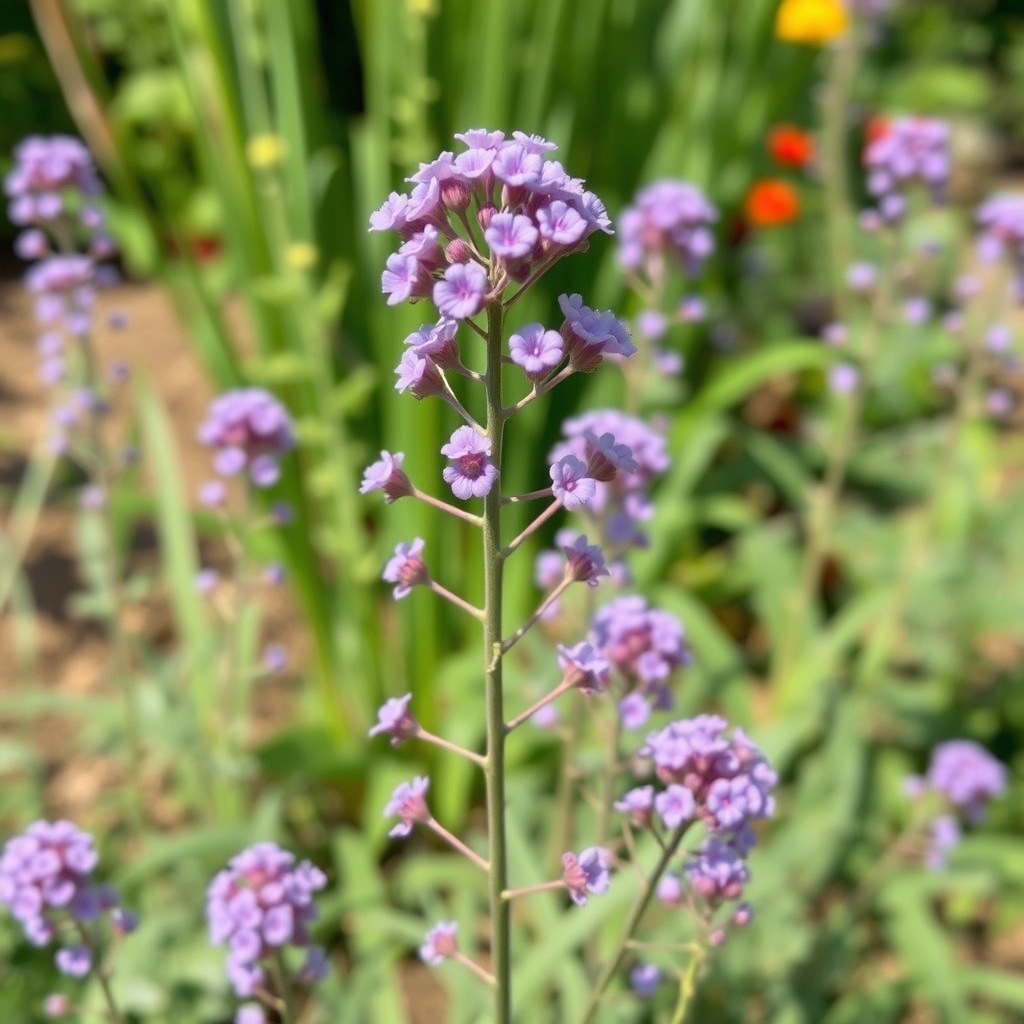
Even though summer's floral peak is behind us, there are still plenty of options to keep your garden buzzing with life. Planting nectar-rich flowers such as Verbena bonariensis, echinacea, and buddleja will ensure a steady supply of food for bees and butterflies. Echinacea purpurea Magnus is particularly popular, and it's a magnet for pollinators well into autumn. Pairing it with varieties like Buddleja davidii Black Knight or Buddleja davidii White Profusion can create a stunning visual display while supporting local biodiversity.
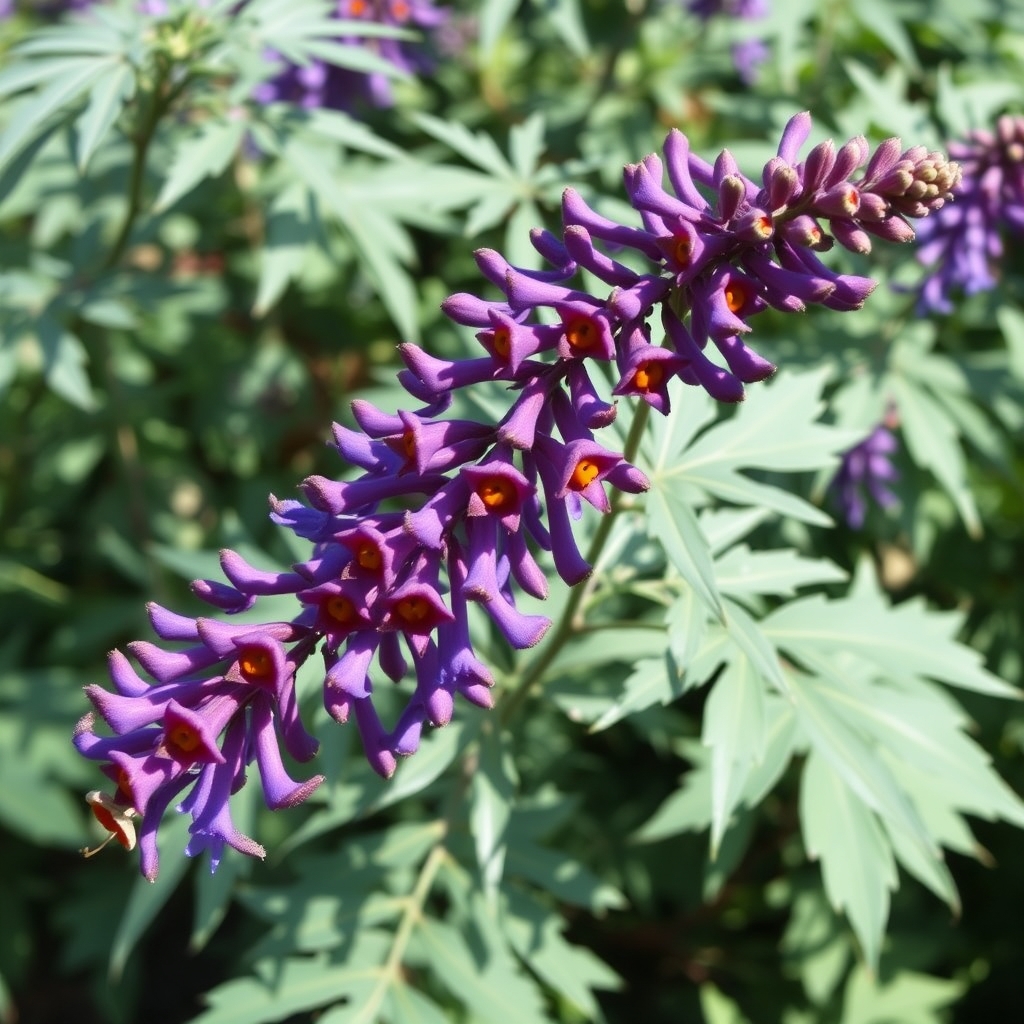
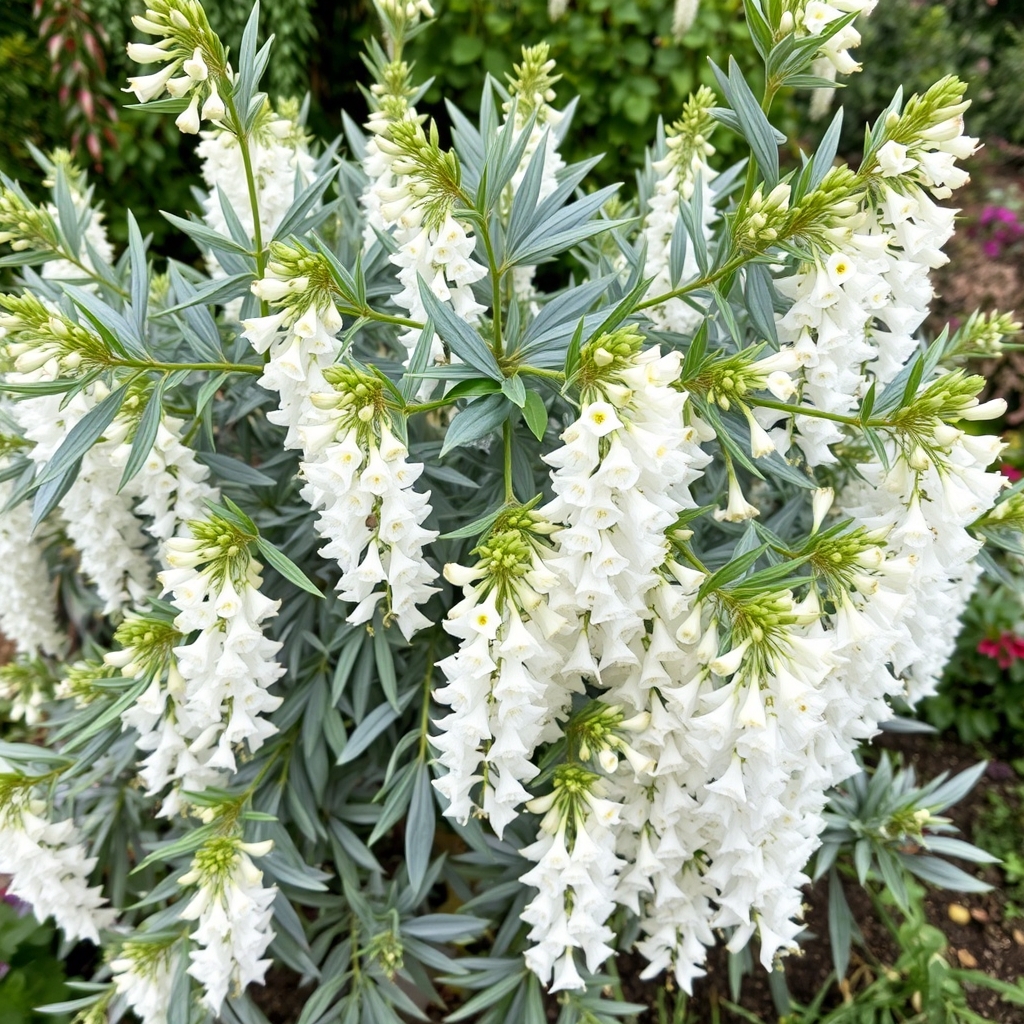
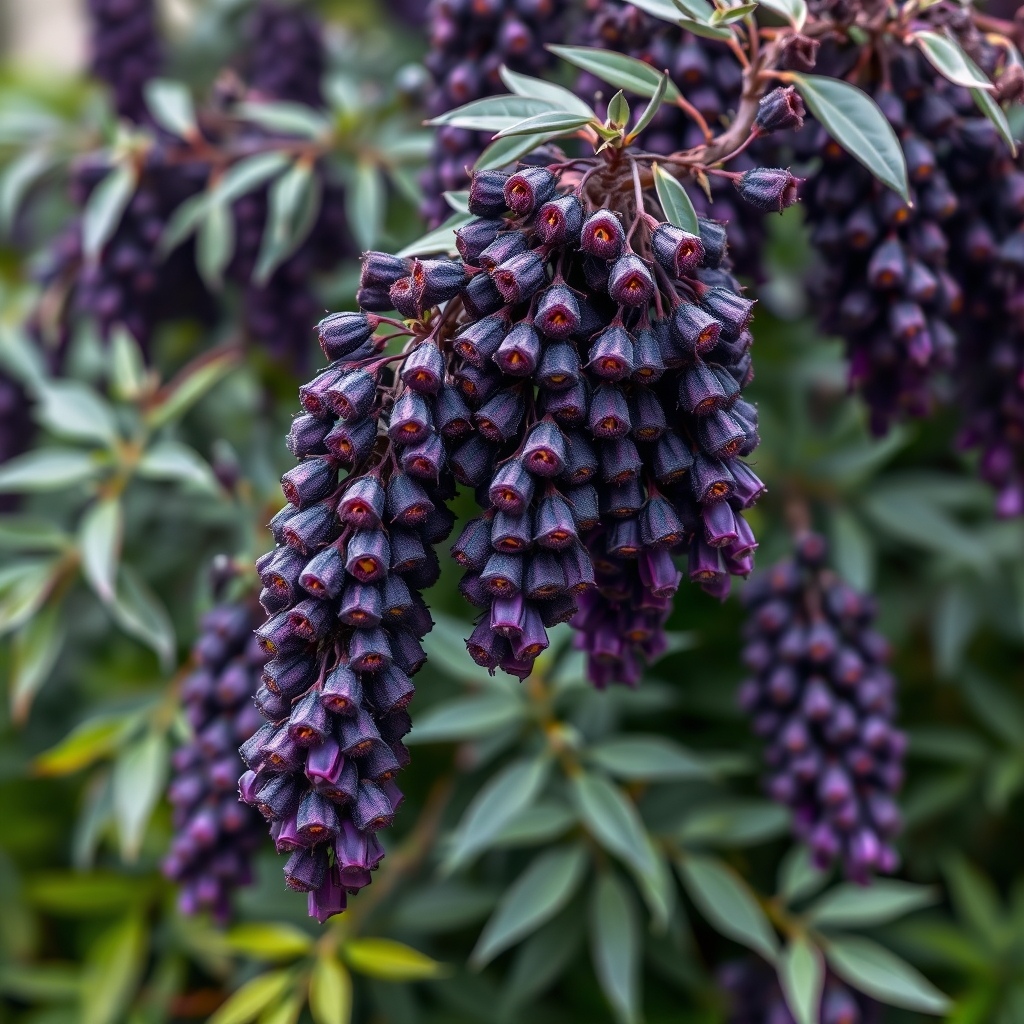
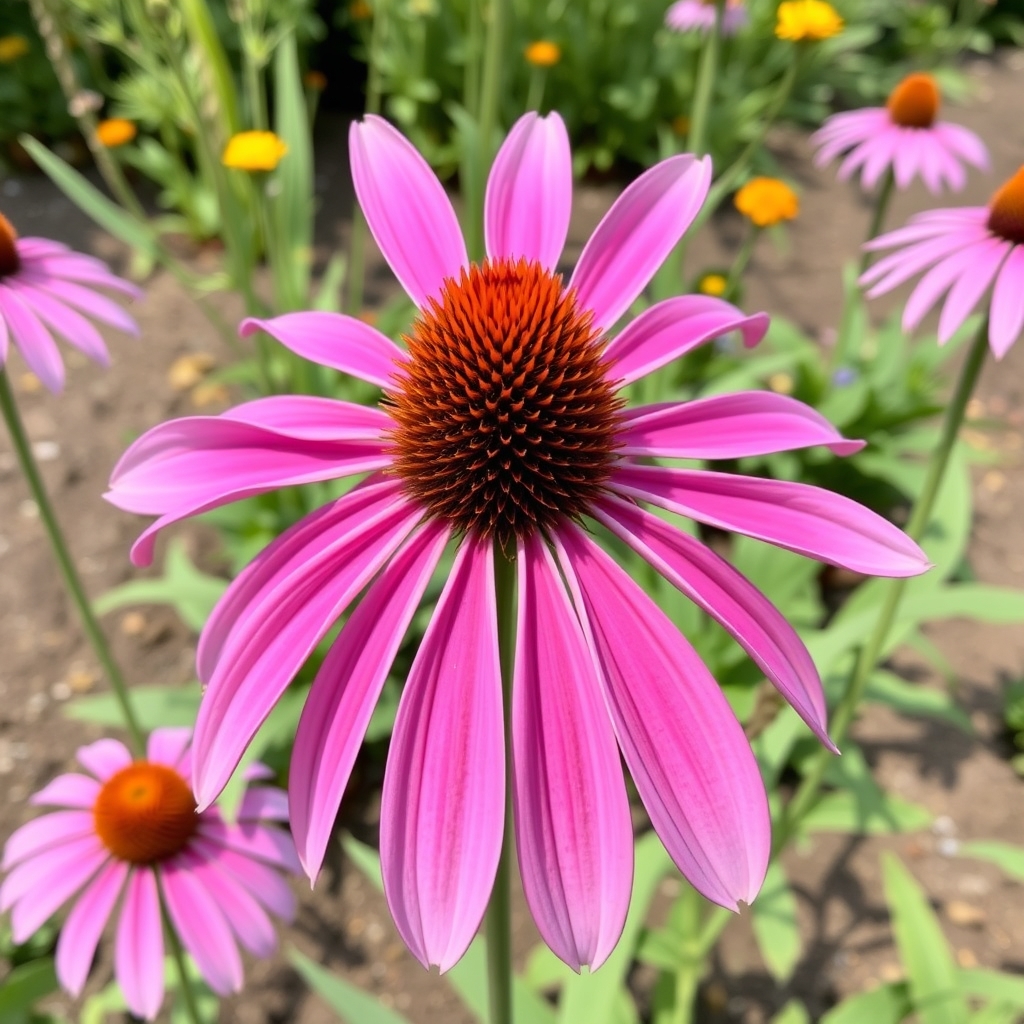
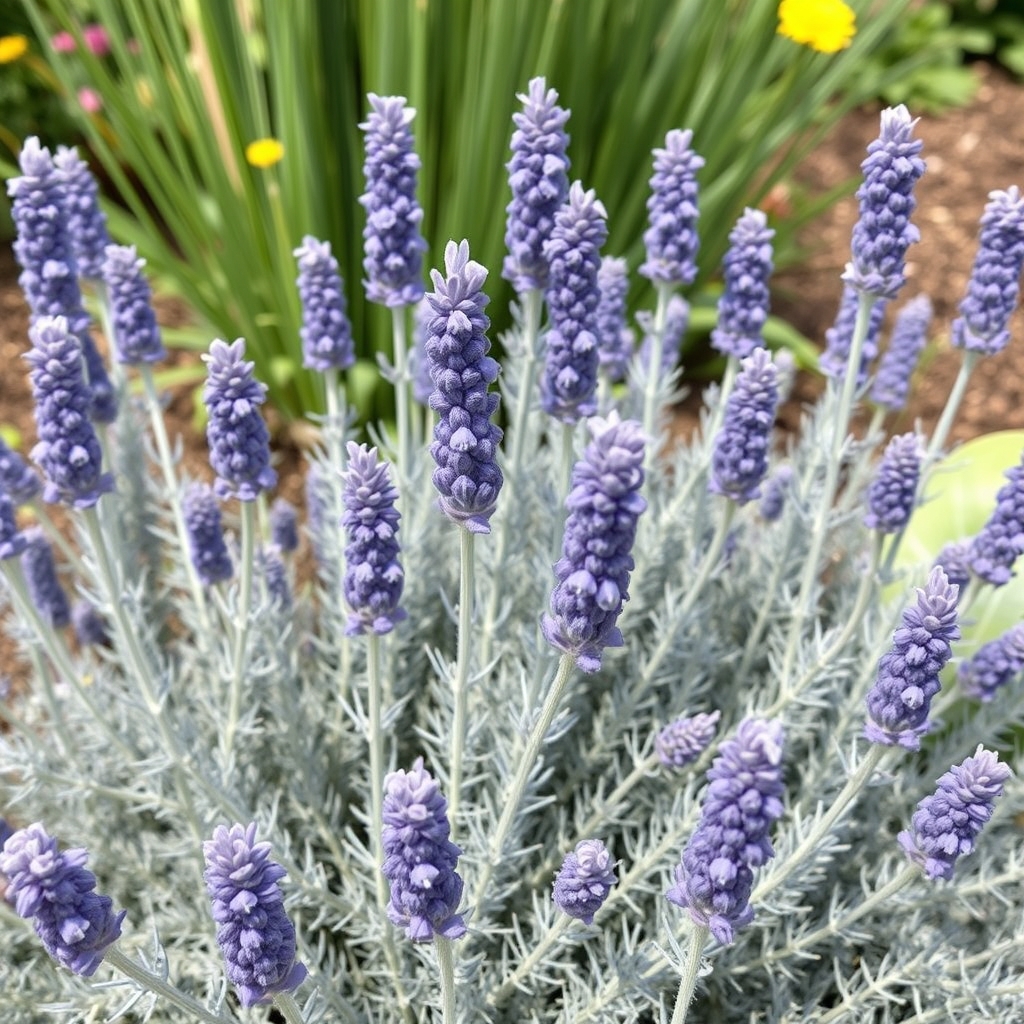
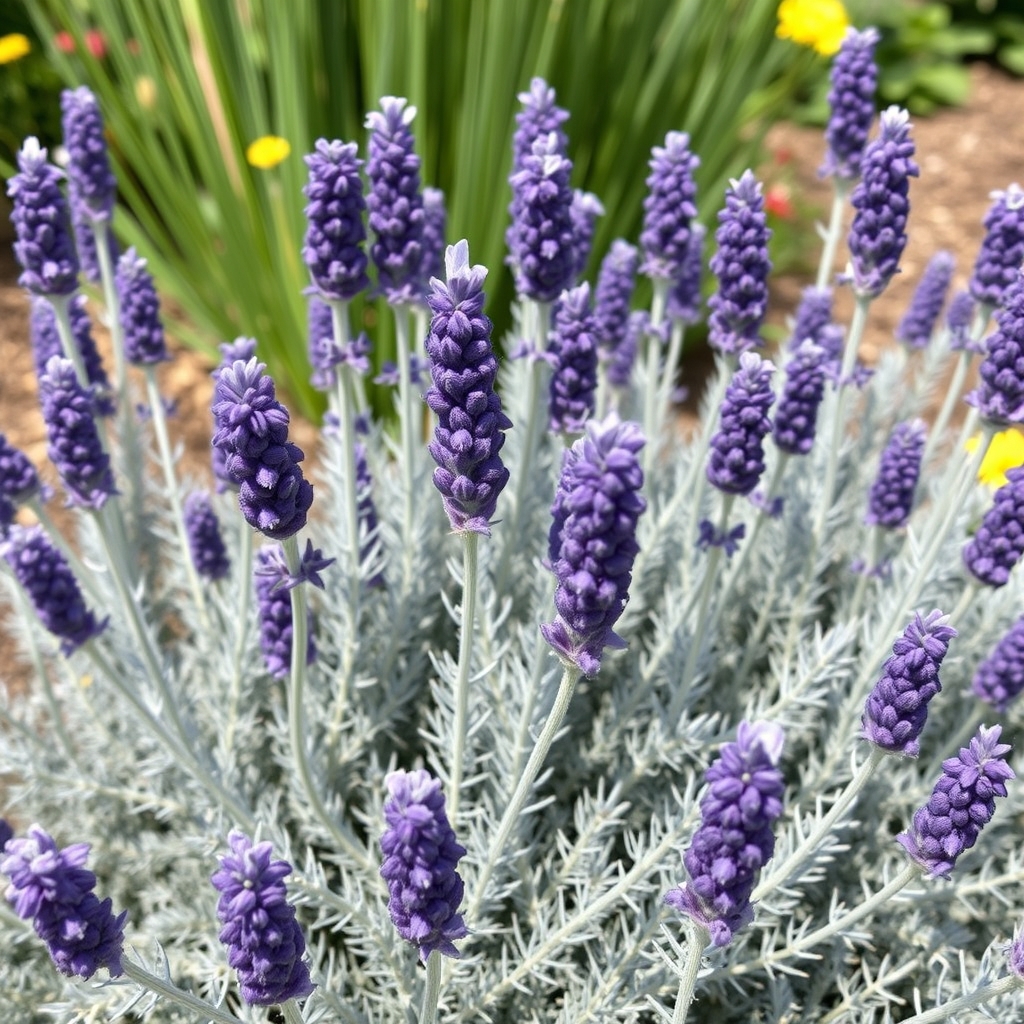
If you're looking for versatility, lavender is unbeatable. Varieties such as Hidcote Lavender and Munstead Lavender are not only lovely to look at but also incredibly appealing to bees and butterflies. These plants are low maintenance and thrive in the UK climate, making them a fantastic choice for any gardener.
Helping Birds and Amphibians
As the season shifts, birds are on the lookout for nutrient-rich food sources to prepare for winter. Leaving seedheads on plants like echinacea provides a nutritious snack for them. If you have space, consider adding a bird feeder or hanging up some fat balls; these will attract a variety of birds to your garden.
For amphibians, September is a crucial time as they prepare for hibernation. Creating a pond or simply leaving a shallow container of water can provide them with the hydration they need. Make sure there's a way for creatures to climb in and out easily.
Hedgehog Havens
Hedgehogs are busy preparing for the colder months, and your garden can provide a safe haven for these charming creatures. Ensuring there's a route into your garden, such as a small gap under a fence, can encourage them to visit. Creating a log pile or leaving a section of your garden a bit wild can give hedgehogs a place to nest and find food.
Avoid using slug pellets, as these can be harmful to hedgehogs. Instead, encourage natural pest control by attracting birds and other insect-eating creatures.
Small Actions, Big Impact
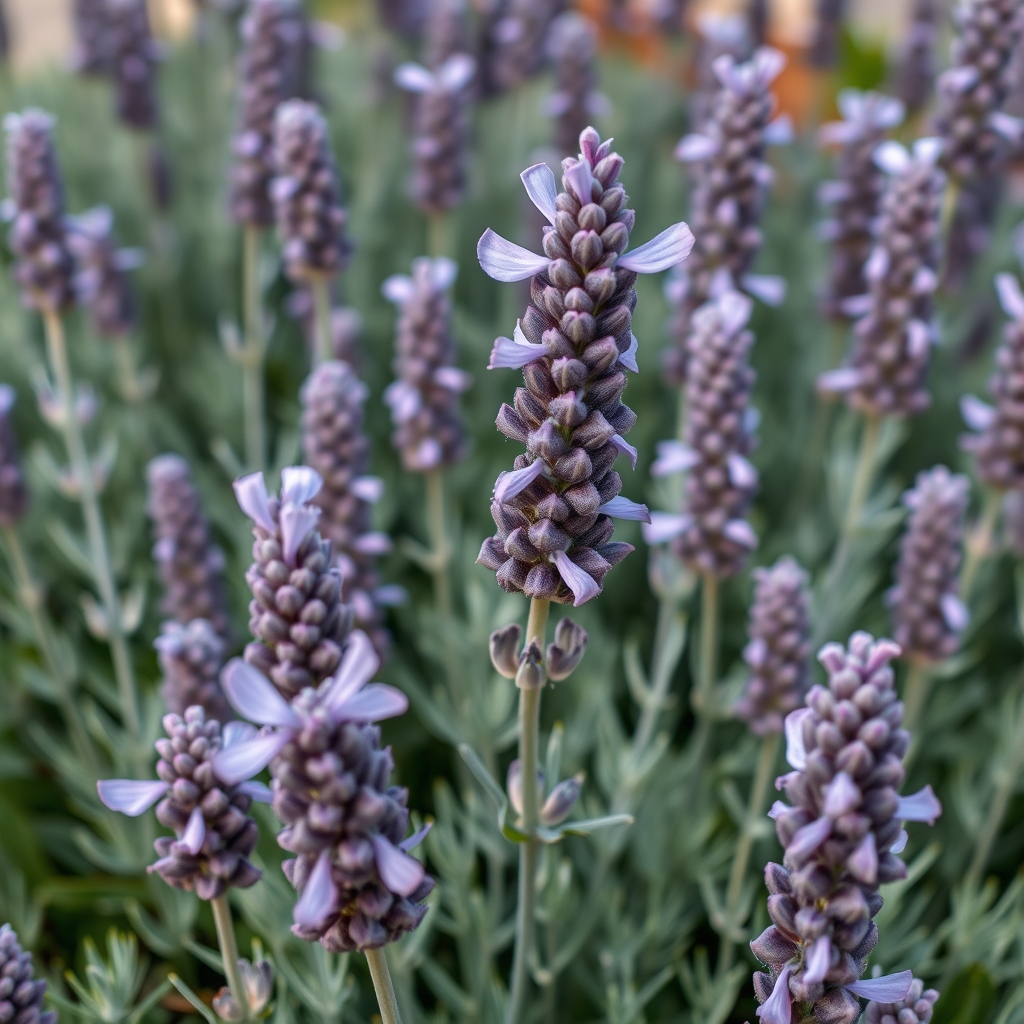
Even if you're working with a small space, every effort counts. Whether it’s planting a few Papillon French Lavender pots or setting up a feeding station, your garden can become a vital resource for local wildlife. Remember, the changes you make now will have a lasting impact throughout the colder months.
If you're keen to add new plants to your garden, it's worthwhile to compare options before buying. You can browse live listings and find exactly what you need on ComparePlants, ensuring you get the best value and quality.
Supporting wildlife this September is as simple as being mindful of the needs of the creatures around us. By planting thoughtfully and making small adjustments to our gardens, we can create a thriving ecosystem that benefits us all.