
Spring Planting Guide: 10 Plants Worth Comparing Prices On
These 10 plants have the biggest price differences between nurseries. Worth checking before you buy.
Most nursery plants are priced within a reasonable range of each other. A Geranium macrorrhizum that costs £7.99 at one nursery and £9.50 at another isn't worth much agonising over. But some plants have genuinely dramatic price differences — sometimes £10 to £15 on a single plant — and for those, a quick comparison before you order is simply good sense.
Here are ten spring plants where we consistently see the biggest spread in prices, along with what actually explains those differences.
1. Lavender
Few plants have more price variation than lavender. A small 9cm pot might cost £4.50; a well-grown 2-litre plant in full bud from a specialist lavender nursery might cost £14. The plant in the bigger pot will establish faster and flower this year; the smaller plant needs a season to get going. Both are reasonable depending on your situation.
For hedging quantities — where you might need 20 or 30 plants — the small-pot price matters considerably. We regularly see a difference of £3 to £4 per plant between the cheapest and most expensive suppliers for equivalent lavender stock, which is £60 to £120 on a hedging order. Worth checking.
2. Salvia nemorosa
The perennial salvias (Salvia nemorosa and its cultivars — 'Caradonna', 'Ostfriesland', 'Mainacht') have become essential border plants, and their popularity has created a fairly competitive market. Prices for a 9cm pot typically range from £5.50 to £10, with the difference mostly reflecting pot size and whether the plant is in flower at point of sale. A salvia in full flower on arrival costs more and gives you instant impact; one in a 9cm pot costs less and establishes just as quickly.
3. Hydrangea paniculata
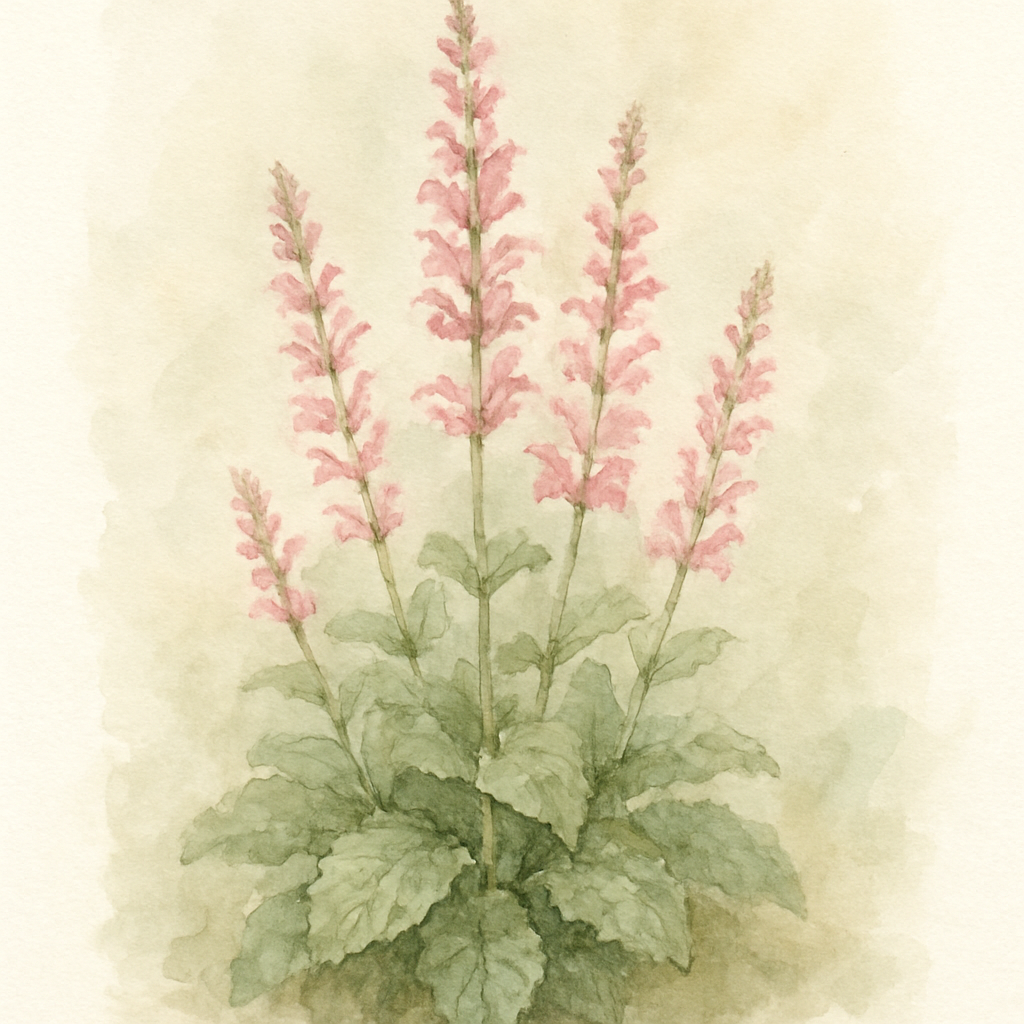
Hydrangea paniculata varieties — 'Limelight', 'Phantom', 'Little Lime', 'Vanille Fraise' — are the most reliable of the hydrangeas for a sunny position and flower later in the summer than macrophylla types. Prices are very variable. A 2-litre 'Limelight' can be found from £12 to £22 depending on the supplier, and we've seen 5-litre plants ranging from £18 to £38. The smaller plant will need a year or two to get established; the larger plant will flower well in its first summer.
4. Clematis
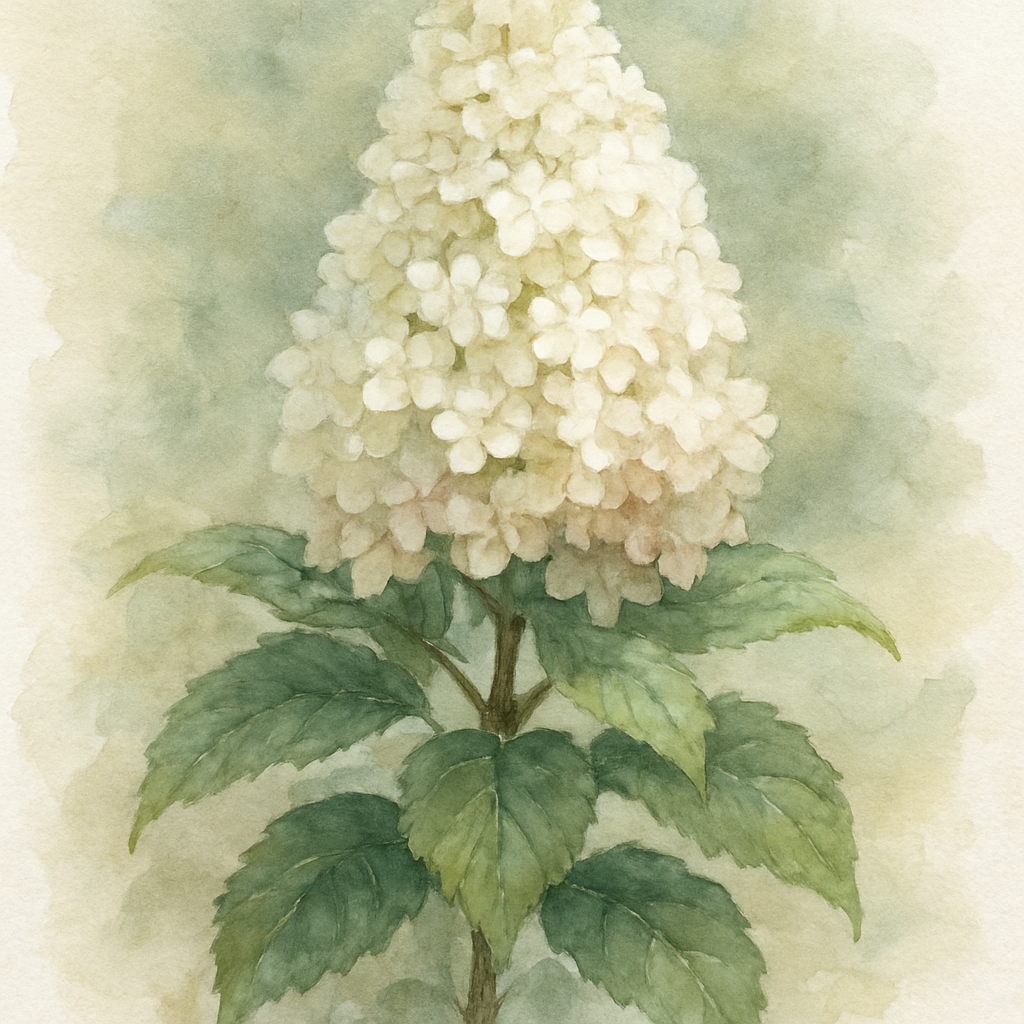
Clematis is one of the highest-variance categories on the site. A large-flowered clematis in a 2-litre pot from a specialist clematis nursery (Taylors Clematis, for instance) might cost £16 to £19. The same variety from a general online nursery might be £11. The specialist will usually have a better root system and broader selection; the generalist will have the common varieties more cheaply. For unusual species — Clematis 'Arabella', Clematis integrifolia, Clematis 'Rooguchi' — specialists are often the only option.
5. Geranium (Hardy Geranium)
Hardy geraniums are workhorses of the UK border and are produced in large quantities by many nurseries, which keeps prices fairly competitive. Even so, we see a spread from £5.50 to £12 for a 1-litre pot depending on variety and supplier. The new heat-tolerant and repeat-flowering varieties — the Rozanne types, 'Gerwat', 'Dilys' — attract a premium of a pound or two over the older varieties like 'Johnson's Blue'.
6. Penstemon
Penstemons are often priced more sensibly than their quality warrants. A well-grown penstemon in a 2-litre pot can be found from £7 to £14 — a big spread for a plant that's broadly similar in size across those suppliers. Named varieties like 'Husker Red' and 'Garnet' are towards the higher end; seedling-raised plants are considerably cheaper and perfectly good for the majority of gardeners.
7. Digitalis (Foxglove)
Digitalis purpurea is a biennial and very cheap to raise from seed, which is reflected in prices — young plants in 9cm pots from £2.50 to £5. But the perennial species — Digitalis grandiflora, Digitalis lutea, Digitalis parviflora — are more expensive and more variable. Digitalis grandiflora in a 1-litre pot ranges from £6 to £12 depending on the supplier, and there's no obvious quality justification for the higher end of that range.
8. Agapanthus
Agapanthus has been extensively developed over the last two decades, and modern named varieties are considerably better than the older unnamed blue types in terms of flower size, hardiness, and compactness. Prices reflect this range dramatically. An unnamed agapanthus in a 1-litre pot might be £8 to £12; a named hardy variety like 'Midnight Blue' or 'Navy Blue' in a 2-litre pot from a specialist nursery might be £18 to £25. The named variety is worth the premium if you're in a colder part of the country.
9. Echinacea
Echinaceas have gone through a price explosion as breeders produced ever more elaborate double and multi-coloured varieties — some at £16 to £22 per plant. The original species, Echinacea purpurea and its standard varieties like 'Magnus' and 'White Swan', remain much more affordable at £7 to £12 for a 1-litre plant. The fancy varieties are beautiful but often shorter-lived; the straight species and old varieties are reliably perennial in most UK gardens.
10. Astrantia
Astrantia major and its cultivars (the masterworts) are having a sustained period of popularity that has pushed prices up. A 1-litre astrantia that cost £7 or £8 a few years ago is now routinely priced at £9 to £15, with named varieties like 'Ruby Wedding' and 'Hadspen Blood' at the higher end. The spread between cheapest and most expensive for a named variety in equivalent pot size can be £6 or more — enough to justify checking a few sources before you order.
For all of these plants, ComparePlants pulls together current pricing from the nurseries we track so you can see in one place who has stock and what they're charging. Not every nursery stocks every variety, but for the mainstream plants on this list, you'll usually have four or five options to compare — and that comparison is almost always worth the thirty seconds it takes.