
Why we list every UK nursery we can find
A lot of the nurseries we list are small, family-run growers you may never have heard of. Here's why we count every single one of them.
A reader emailed us last week with a fair question: "How does your plant range actually compare to the big nurseries?" The honest answer is that it isn't quite the right comparison — and it's worth explaining why.
Why it isn't a like-for-like comparison
Crocus, who openly call themselves the UK's largest online garden centre, have spent years building a deep, carefully curated range. Thompson & Morgan have been at it since 1855. A good bricks-and-mortar garden centre carries a few hundred varieties chosen for the region and the season. Those are excellent retailers with beautiful catalogues and serious horticultural pedigree, and we're not setting out to compete with any of them.
We can't, because we don't have a range. We don't grow anything, hold stock or ship a single plant. What we have is an index of what other people are selling.
So setting a number of ours beside a number of theirs would be comparing a catalogue to a directory — and whichever way that comparison came out, it wouldn't tell you anything useful. A nursery's range is a promise that they can send you the plant. Ours is a promise that we'll show you who can.
Where we're a bit different
Our list isn't a single nursery's range. It's the combined catalogue of every UK nursery we can index — separate growers, sellers and specialists — pulled together so you can compare them properly.
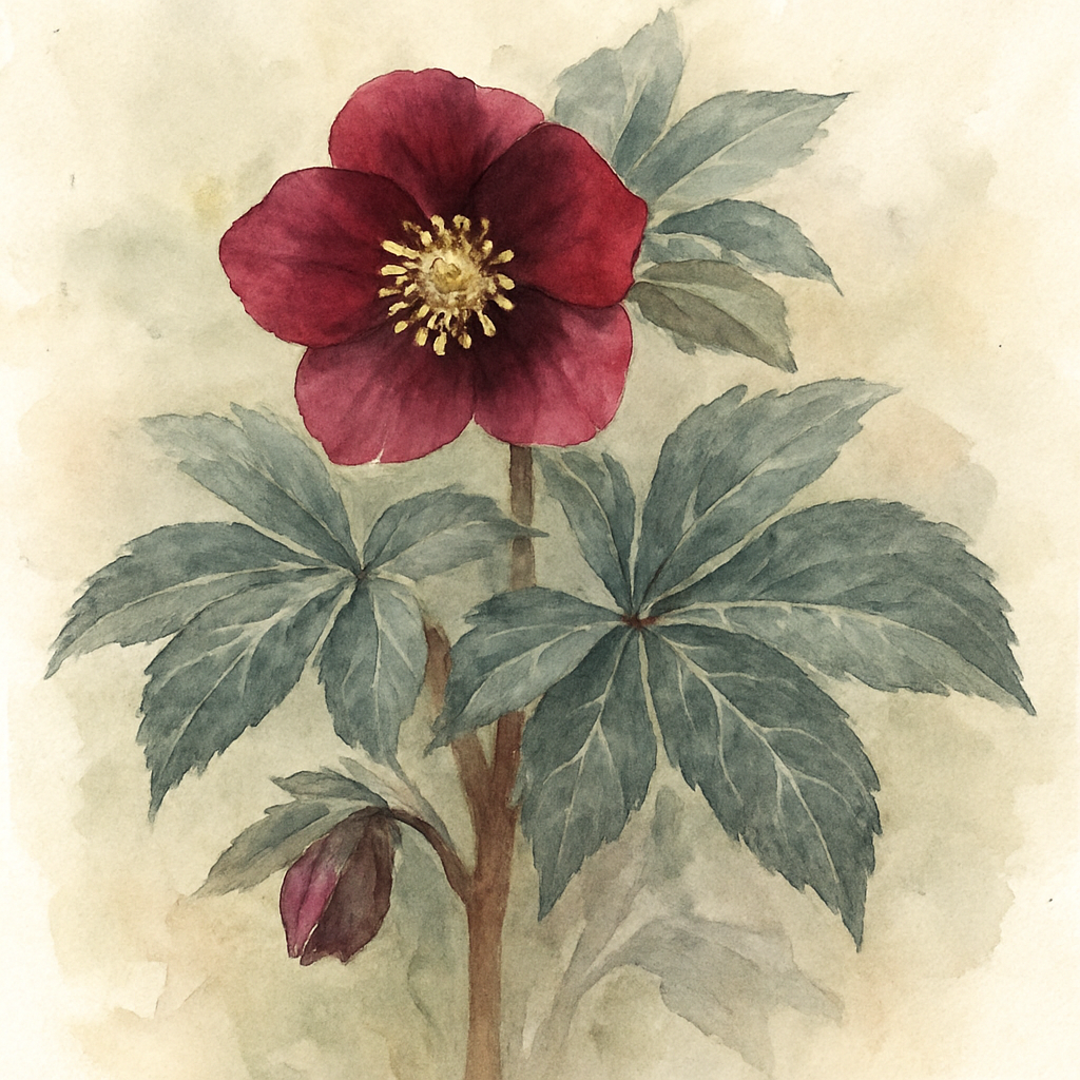
That detail matters more than it sounds. When you search for, say, a particular hellebore cultivar, you're not just seeing what one retailer happens to stock that week. You're seeing every UK nursery in our index that has it, side by side, with the actual price you'll pay.
And here's the thing we want to be straightforward about: a lot of them are small. Family-run nurseries in Cornwall, Yorkshire, Suffolk and the Scottish Borders. Specialist growers who only sell snowdrops, or only alpines, or only roses. Walled-garden operations with one good polytunnel and a Land Rover. Some of them have a thousand plant varieties; some have forty; one or two have just half a dozen — but every single one is something they've grown themselves and know inside out.
The small-nursery story
If you've ever tried to track down a particular plant — a named hellebore, an unusual peony, a heritage apple variety — you'll know that it's often the small specialist nurseries that actually grow them. The big retailers carry the popular varieties brilliantly. The small ones are where the rare and the regional and the just-a-bit-different tend to live.
But specialist growers face one persistent challenge: visibility. They don't have marketing budgets that compete with the household names, so when a gardener types a plant name into Google, the first results tend to come from whoever has spent the most on search advertising and SEO. The plant you actually want might be sitting on a 12-acre nursery in mid-Wales, but you'll never see it unless you know exactly where to look.
That's the gap we set out to close. On a comparison page, the size of the nursery doesn't decide the order. The plant decides the order. If a small Cornish grower has the cultivar you searched for at a fair price, they appear right alongside the big retailers — sometimes above them, sometimes below, depending on the price and what's in stock. No nursery is hidden because of marketing budget. No nursery is favoured because of brand recognition. They all get listed on equal terms because they all sell the same plant.
Why this is good for everyone
For gardeners: it's just more honest. You see who actually has the plant, what it costs, and you can choose. The choice might be the £14 specimen at a tiny family nursery, or it might be the £18 specimen at a household-name retailer that delivers tomorrow with the next-day option you really need. Both are legitimate decisions. We're not here to nudge you toward one or the other — we're here to put the information in front of you.
For the small nurseries: it's a route to people who are actively looking to buy. Someone searching ComparePlants for "Helleborus 'Anna's Red'" is several decisions deep into the buying process. They've decided what they want, they're comparing prices, they're seconds away from clicking through. Showing up in that moment is worth a lot more than a generic impression on a busy social media feed.
For the big retailers: same deal. Your products show up where buying intent is highest. Plenty of our click-throughs go to Crocus, T&M, Suttons and the rest, because they often have competitive prices, or the fastest delivery, or the format the gardener wants. The big nurseries earn that traffic the same way the small ones do — by having the right plant at a fair price.
A level playing field, with one caveat
The "level playing field" framing is true but worth one clarification. We don't claim every nursery is equal — they're not. Some are bigger, some have better delivery, some specialise more deeply, some have richer plant guides on their own websites. What we mean by level playing field is narrower: the size of a nursery's marketing budget shouldn't be what decides whether a gardener finds the right plant.
The plant decides. The price decides. The pot size decides. That's how it should work.
What's next
We're still adding nurseries every week. If you run an independent UK nursery and you'd like to be listed, we'd love to hear from you — drop us a line at [email protected]. There's no charge for a basic listing; we just need a working website and accurate stock. The bigger our index of small specialists, the better the comparison gets for everyone.
And if you've spotted a nursery you love that we don't yet list, tell us. Wherever the list stands when you read this, it isn't a ceiling — it's just where we'd got to.
Now stop reading and go plant something.