
The Garden's Put to Bed. Now What?
The leaves are swept, the pots are in and the borders are cut back. Here's what a gardener can usefully do between now and spring, indoors and out, without pretending it's still summer.
There's a particular feeling in mid November when the last job is done. The tender plants are under cover, the leaves are on the compost heap, the mower's been cleaned and put away. It's satisfying, and then, about a week later, a bit flat. For anyone who gardens, the four months until spring can feel very long.
The good news is that winter isn't a closed season. It's a different one. Some of the most useful gardening of the year happens now, and some of the best value buying too. Here's how to fill it.
Still time for bulbs, in pots if not the ground
If you didn't get round to tulips in October, you haven't missed them. November is the traditional month to plant tulips, because cold soil discourages the disease tulip fire. If the borders are too wet, plant them in pots instead: a deep pot, good drainage, bulbs packed almost shoulder to shoulder, and you'll have a spring display by the back door.
Our spring bulbs buyer's guide covers what to buy and how deep, and where to buy spring bulbs in the UK goes through the nurseries. Late bulbs are often reduced now, too.
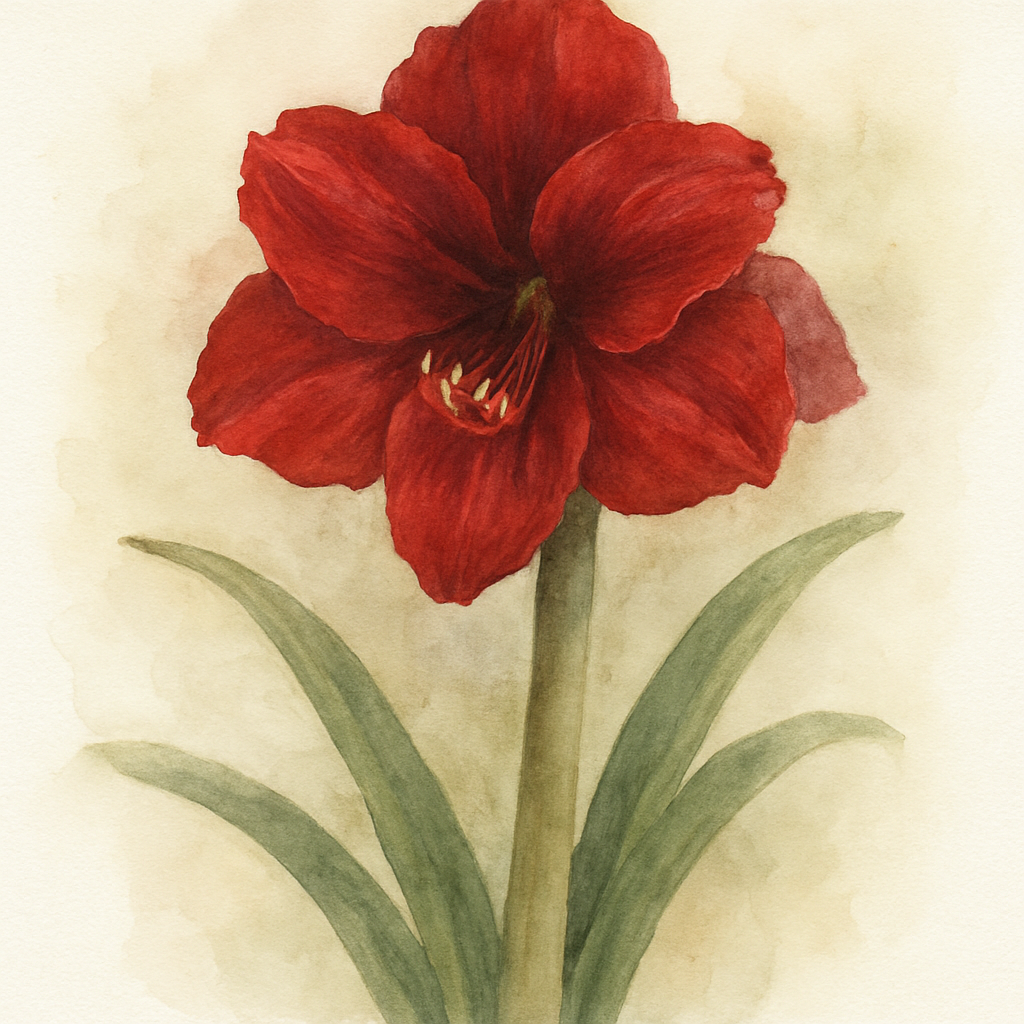
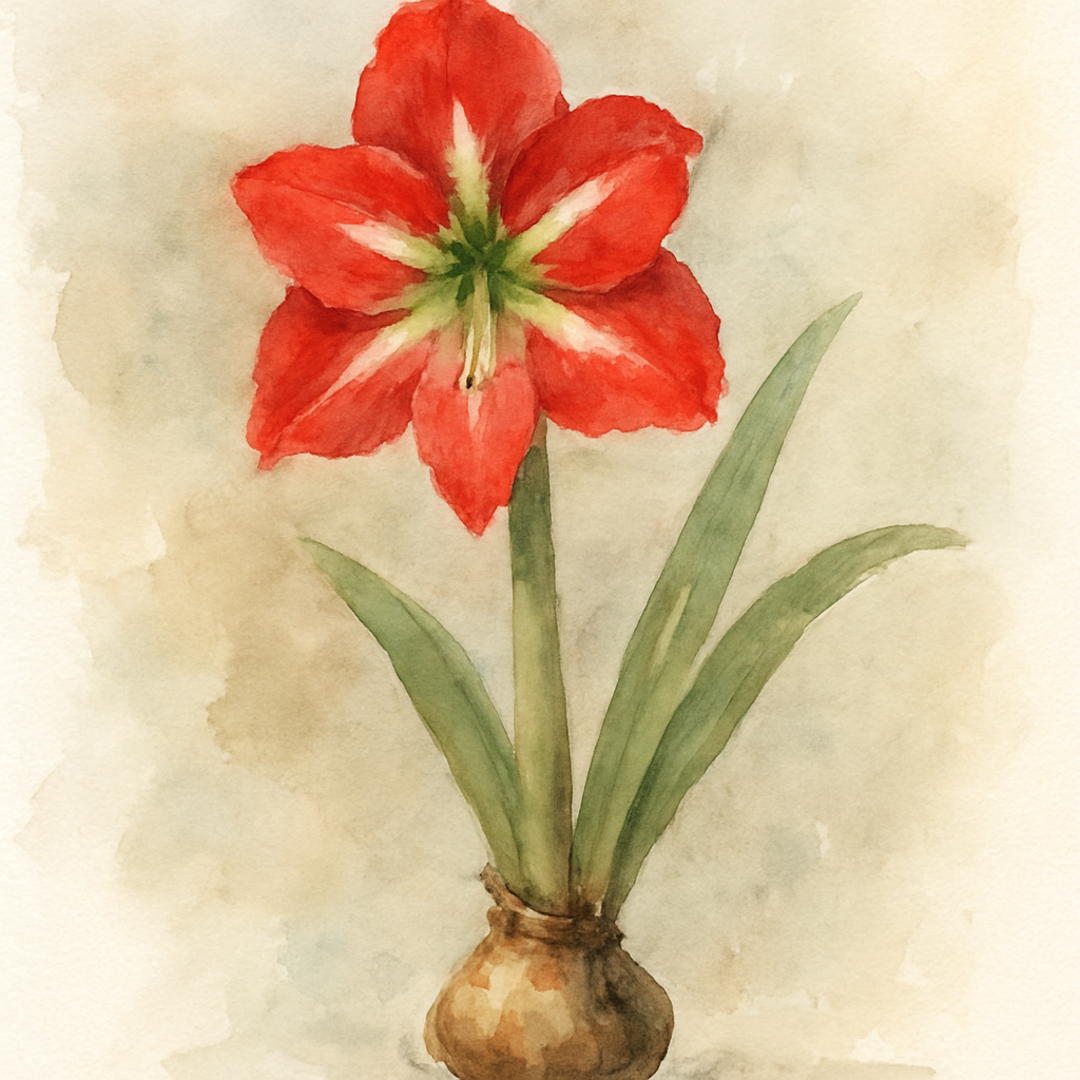
For flowers indoors by Christmas, pot up an amaryllis in the next week or so. Amaryllis 'Minerva' was £8.33 at Farmer Gracy and £11.99 at YouGarden and Gardening Direct, and Amaryllis 'Red Lion' was £9.50 at Jacques Amand International against £18.99 at Crocus and Primrose (all when we checked on 8 November 2026; the links show today's prices). We compared the rest of the Christmas favourites in Christmas plants compared.
Bare-root season: the best value of the year
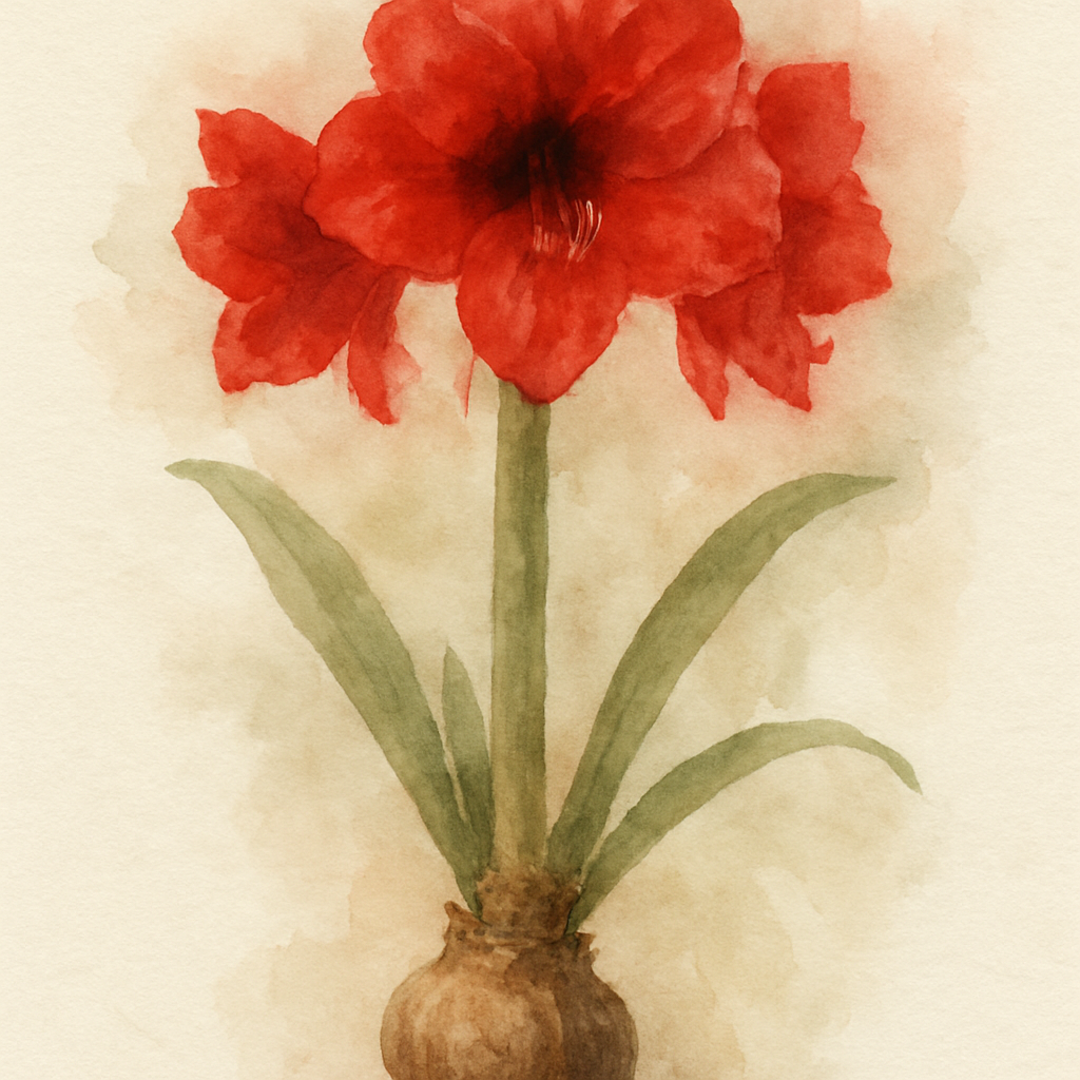
From November to March, trees, hedging, roses and fruit are sold bare-root: dug up while dormant and sent without a pot or compost. They're far cheaper than the same plant in a pot, they establish better, and the choice of varieties is wider. If you've been meaning to plant a hedge or a fruit tree, this is the window.
Our bare-root season planting guide explains how to plant them and what to look for, and bare-root roses, prices compared shows how wide the spread can be on identical roses. Order early: the popular varieties sell out by Christmas.
Something to look at from the window
A garden that's put to bed doesn't have to look bare. A few winter plants near the house, where you see them from indoors, change how the whole season feels.
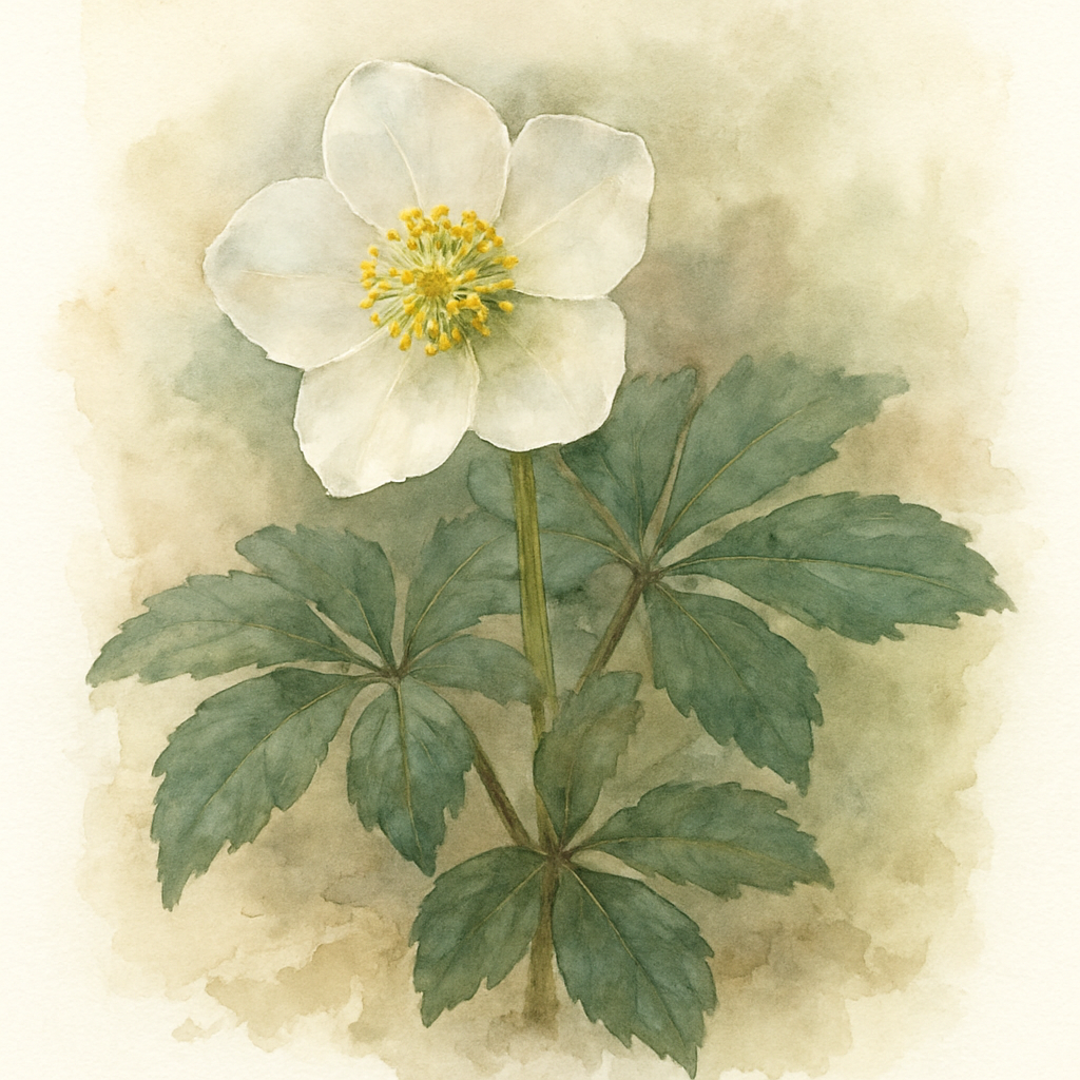
- Christmas rose (Helleborus niger): white flowers in deep winter. £7.50 at Claire Austin Hardy Plants, £9.99 at Crocus (9cm pot), £12.99 at Carbeth Plants (9cm pot), when we checked. More in our hellebore guide.
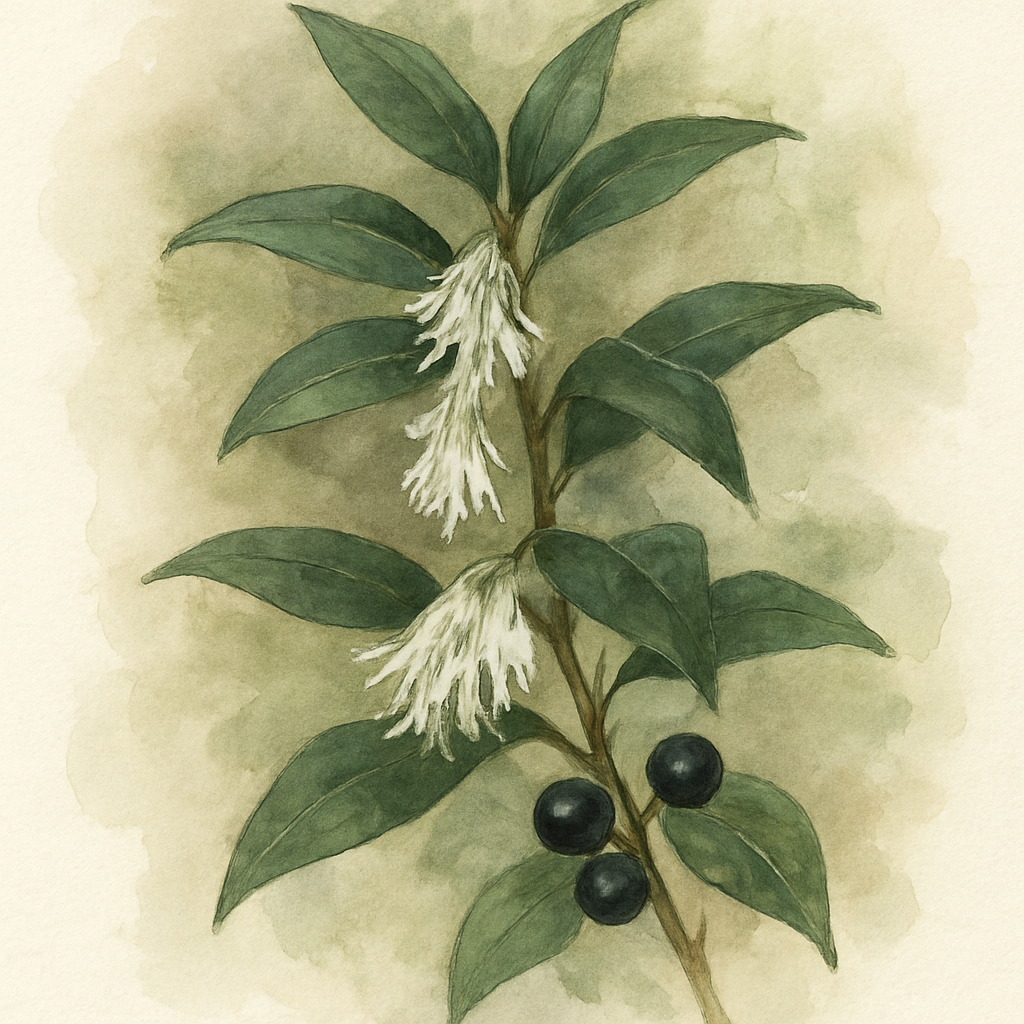
- Sweet box (Sarcococca confusa): tiny flowers in January with a scent that fills a path. £6.99 at Crocus (9cm pot), £12.50 at Big Plant Nursery and McLarens Nurseries (2 litre), when we checked. Plant it by the front door.
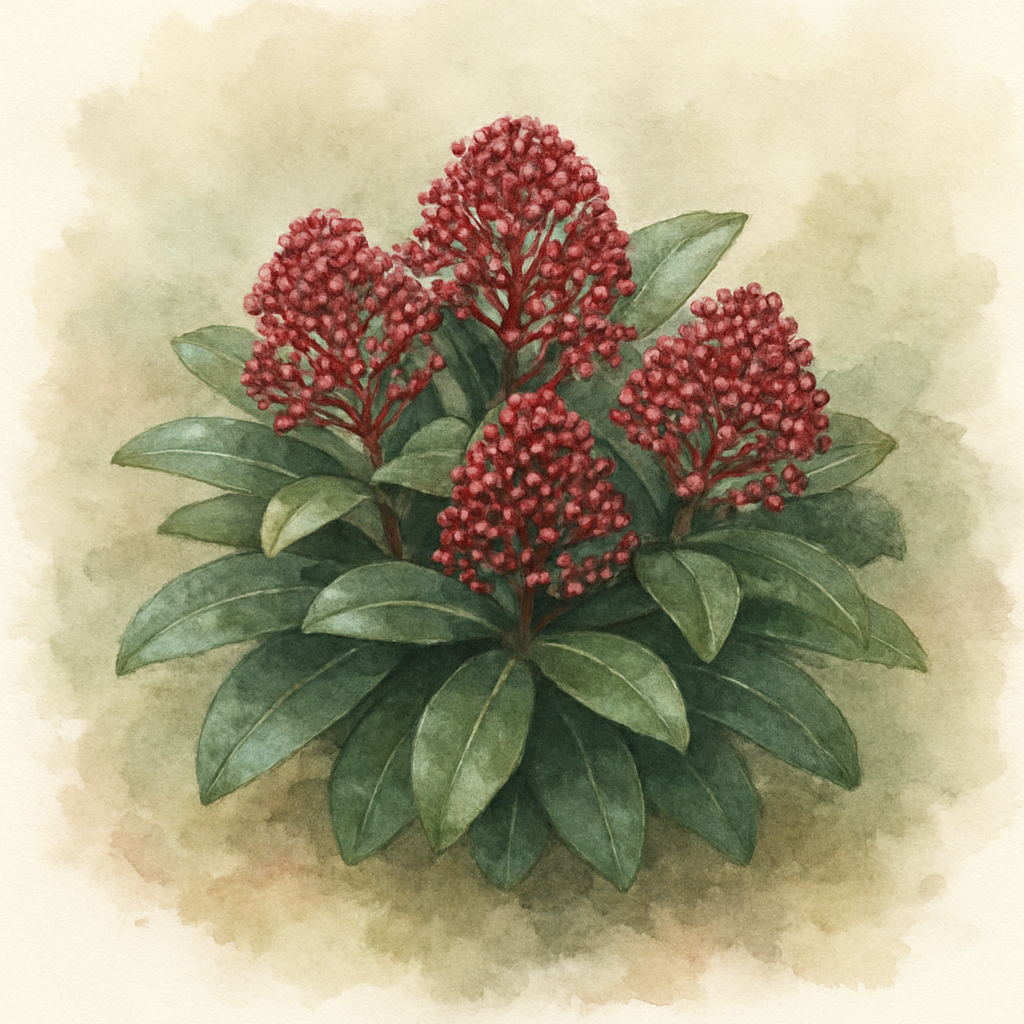
- Skimmia 'Rubella': red buds from now until spring. £6.99 at Farmyard Nurseries, £14.99 at Thompson & Morgan.
For more, see the best plants for winter stems and berries and holly and other berried shrubs.
Bring the gardening indoors
Houseplants are the obvious winter outlet, and they need less than you might think: the right spot, and a lot less water than in summer. We've picked the easiest houseplants for winter, with prices compared and the central-heating care that keeps them alive.
A windowsill can also grow food. Pea shoots, salad leaves and herbs like parsley and chives will grow on a bright sill all winter, and they're a good job for children.
Plan, properly
Winter is when good gardens are designed. With the borders cut back you can see the bones of the garden: where the gaps are, which shrubs have got too big, where the light falls when the sun is low.
A few things worth doing:
- Walk round with a notebook (or your phone) and photograph each bed. Next summer you'll have forgotten where the gaps were.
- Draw it. Our garden planner lets you lay out beds and plants and see what fits.
- Make a list for spring and price it now. Plants you want in March are often cheapest ordered in January, and our spring border plants to order in January guide is a good place to start.
- Look after the tools. Clean, sharpen, oil. It's dull, and next spring you'll be glad.
And leave some mess
Finally, the most useful winter job may be not doing one. Hollow stems, seed heads and a pile of leaves in a corner are shelter for overwintering insects, and food for birds. A garden put to bed doesn't need to be tidy to the last leaf.
If you're planning what to buy for the months ahead, every plant above links to its live comparison page on ComparePlants.